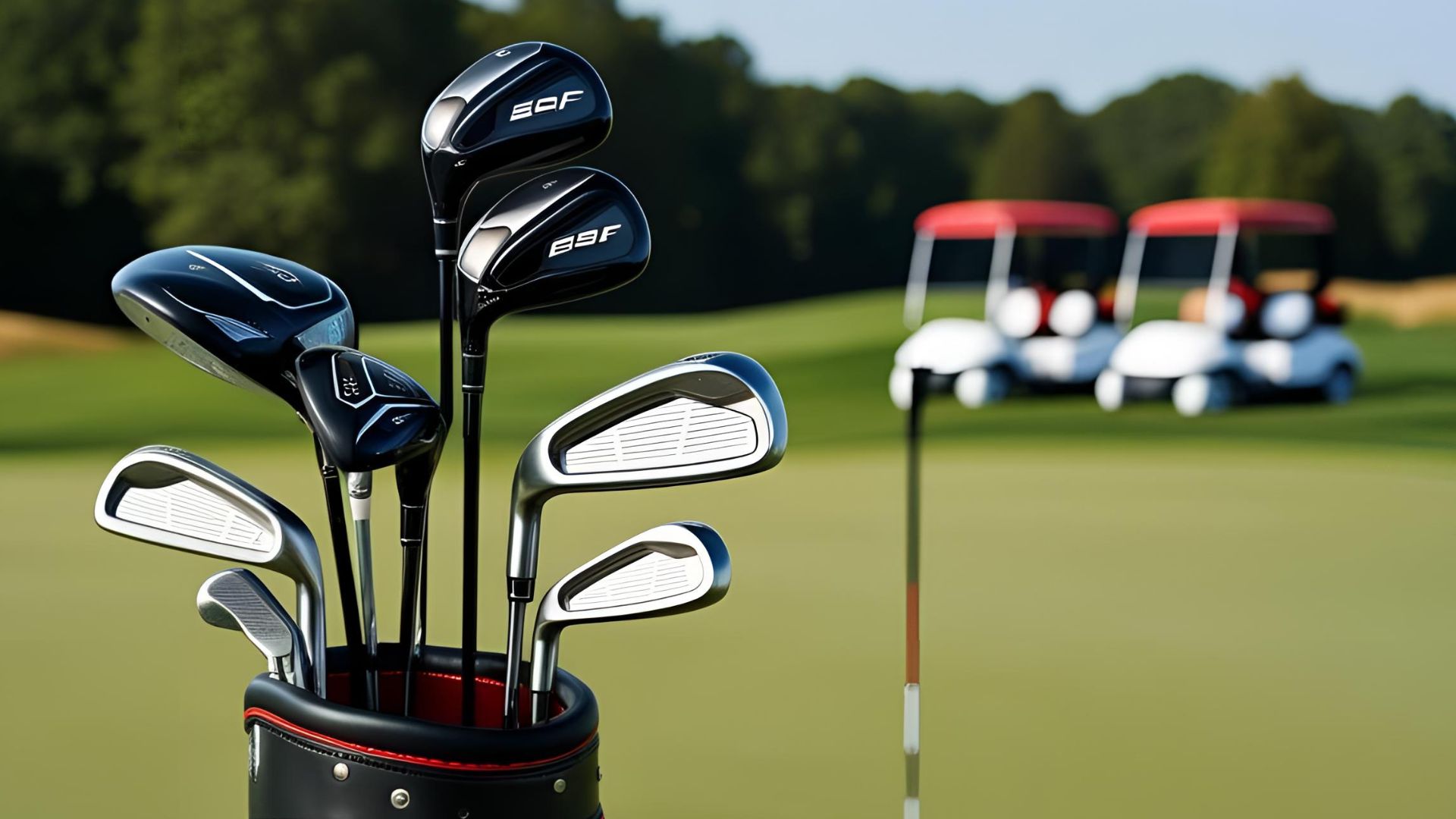
Achieving maximum distance off the tee is a goal for nearly every golfer, but it’s not just about swing speed; it’s also about Choosing Golf Driver that perfectly matches your game. The driver is arguably the most personalized club in your bag, and selecting the right one can significantly impact your performance and enjoyment on the course. With countless models, lofts, and shaft options available, the decision can feel overwhelming. However, understanding key factors will guide you to the ideal fit.
Understanding Your Swing for Optimal Driver Selection
Before looking at any specific driver, it’s crucial to understand your own swing characteristics. What is your average swing speed? Do you tend to slice or hook the ball? What is your typical ball flight – high, low, or medium? These elements directly influence the optimal driver specifications for you. For instance, golfers with slower swing speeds often benefit from higher lofts (10.5 degrees or more) to achieve better launch and carry distance. Those with faster swings might prefer lower lofts (9 degrees or less) to reduce spin and prevent ballooning. Similarly, drivers with draw bias weighting can help counteract a slice, while neutral or fade bias options suit those who tend to hook or prefer to work the ball. A professional fitting can accurately identify these parameters, making the process of finding the right golf driver much simpler.
Key Features to Consider When Choosing Golf Driver
Beyond loft and weighting, several other features play a significant role. The shaft is paramount; its flex (regular, stiff, extra stiff) must match your swing speed to ensure optimal energy transfer and control. Furthermore, the material and weight of the shaft also influence feel and performance. Adjustable features, common in modern drivers, allow you to fine-tune loft, lie angle, and face angle, providing flexibility to adapt the club to your swing or changing conditions. Finally, clubhead design – from aerodynamics to face technology – impacts ball speed and forgiveness. A larger clubhead (up to the legal limit of 460cc) generally offers more forgiveness on off-center hits. Consider these aspects critically to ensure the driver you select complements your unique swing dynamics.
The Importance of Loft and Launch Angle
Loft is perhaps the most misunderstood aspect of driver selection. Many golfers mistakenly believe that lower loft automatically means more distance. In reality, the optimal loft for your driver depends heavily on your swing speed and attack angle. A higher launch angle with appropriate spin can actually lead to greater carry distance, especially for golfers with moderate swing speeds. Conversely, too much loft for a fast swing speed can result in a ‘ballooning’ effect, where the ball flies too high with excessive spin and loses distance. Therefore, finding the right balance is essential. Consulting with a golf pro or using a launch monitor can provide invaluable data to help you determine your ideal loft.
Shaft Selection: Flex, Weight, and Kick Point
The shaft is often called the engine of the golf club, and for good reason. Its characteristics profoundly affect how the club performs. Flex is crucial; a shaft that is too stiff for your swing speed will feel board-like and can lead to a loss of distance and accuracy, often resulting in a fade or slice. Conversely, a shaft that is too flexible can feel whippy, causing inconsistent contact and potentially a hook. Shaft weight also plays a role. Lighter shafts can help increase swing speed for some golfers, while heavier shafts offer more stability and control for others. The kick point, or bend point, of the shaft influences launch angle and spin. A low kick point typically promotes a higher launch, while a high kick point results in a lower launch. Understanding these nuances is vital when Choosing Golf Driver components.
Clubhead Design and Adjustability
Modern driver heads incorporate advanced technology designed to maximize distance and forgiveness. Aerodynamics minimize drag during the swing, potentially increasing clubhead speed. Face technology, such as variable face thickness, aims to maintain ball speed across a larger area of the clubface, improving results on off-center hits. Forgiveness, often measured by the Moment of Inertia (MOI), is a key consideration. Higher MOI drivers resist twisting on mishits, leading to straighter shots. Furthermore, most contemporary drivers offer extensive adjustability. This includes adjustable hosels to change loft and lie angle, and movable weights to alter the center of gravity (CG). Adjusting the CG can create a draw or fade bias, or optimize launch and spin. These features allow golfers to fine-tune their driver to their precise preferences and swing characteristics, making the process of selecting a golf driver more personalized than ever before.
The Role of a Professional Driver Fitting
While understanding the technical aspects of drivers is helpful, nothing replaces a professional fitting. During a fitting session, an expert uses launch monitors and other diagnostic tools to analyze your swing data, including swing speed, ball speed, launch angle, spin rate, and attack angle. Based on this data, they can recommend specific driver heads, lofts, shaft flexes, weights, and even grip sizes that are perfectly suited to your unique swing. A fitting ensures that every component of your driver works in harmony to optimize your performance. It takes the guesswork out of Choosing Golf Driver and provides confidence that you are playing with the best possible equipment for your game. Consider how a precise fitting can impact your play, much like the focus and precision required in professional tournaments, as seen with news about a player like Day withdrawing from the 3M Open, where equipment can be a critical factor in performance and injury prevention.
Beyond the Data: Feel and Aesthetics
While data from a fitting is paramount, the subjective elements of feel and aesthetics should not be ignored. How a driver feels at impact and how it looks at address can significantly influence a golfer’s confidence and enjoyment. Some golfers prefer a muted sound, while others like a more powerful ‘thwack’. The shape of the clubhead, the color scheme, and the alignment aids can all contribute to a golfer’s comfort level over the ball. Ultimately, the best driver for you is one that not only performs optimally based on data but also feels good in your hands and instills confidence. This personal connection to your equipment is a vital, albeit often overlooked, part of the process of choosing the best golf driver. Remember, equipment confidence can be as important as skill, much like the mental fortitude displayed by players in high-stakes tournaments. For instance, the news about Aussie Cameron Percy leading at the Senior Open highlights how a player’s comfort and confidence can lead to strong performances.
Testing Drivers: On the Range vs. On the Course
Once you have narrowed down your options, it’s beneficial to test potential drivers. Ideally, this should happen in two phases: first, on a launch monitor during a fitting or at a pro shop, and second, on an actual golf course. The range provides controlled conditions to gather data, but the course offers real-world feedback. How does the driver perform on different lies? How does it feel under pressure? Does it inspire confidence when you need to hit a crucial shot? Testing on the course allows you to evaluate the driver’s playability and how it integrates with your overall game. This practical experience is invaluable for making an informed decision about your next golf driver. For more insights on golf equipment and performance, you might explore resources like Golf.com or Golf Digest, which often feature comprehensive driver reviews and testing information.
Common Mistakes to Avoid When Choosing Golf Driver
When selecting a new golf driver, several common pitfalls can hinder your decision. Firstly, do not base your choice solely on what a professional golfer uses. Their swing characteristics and needs are vastly different from most amateur golfers. Secondly, resist the urge to buy a driver simply because it’s the newest model or heavily advertised. What works for one person may not work for another. Thirdly, avoid making a purchase without thoroughly testing the club. Relying on a few swings in a simulator might not provide a complete picture of its performance. Finally, neglecting a professional fitting is a significant mistake. This is arguably the most effective way to ensure you are getting a driver that is truly optimized for your game. By avoiding these errors, you can confidently navigate the market and succeed in Choosing Golf Driver that genuinely improves your game.
Maintaining Your Driver for Longevity and Performance
Once you’ve made your selection, proper maintenance is key to preserving your driver’s performance and longevity. Regularly clean the clubhead, especially the face, to ensure optimal contact and spin. Check the grip for wear and tear, replacing it when it becomes slick or worn, as a fresh grip provides better control. If your driver has adjustable features, ensure all screws are tightened appropriately before each round. Store your driver in a headcover to protect it from dings and scratches. Periodically inspect the shaft for any signs of damage or stress. Taking these simple steps will help your chosen driver remain a reliable and high-performing part of your golf bag for many seasons to come. This commitment to maintenance reflects a broader dedication to the sport, similar to the efforts seen in developing golf programs, such as the National Governance Education Program for Golf Clubs.
Conclusion: Empowering Your Game with the Right Driver
Choosing Golf Driver is a pivotal decision for any golfer aiming to maximize distance and improve accuracy off the tee. It requires a thoughtful approach, combining self-awareness of your swing characteristics with an understanding of key club features like loft, shaft properties, and clubhead design. While the array of options can seem daunting, focusing on data from a professional fitting, coupled with personal feel and on-course testing, will lead you to an informed choice. Remember to avoid common purchasing mistakes and prioritize a driver that truly complements your unique game. By investing time and effort into this selection process, you will confidently step onto the tee, knowing your driver is perfectly equipped to help you achieve your best performance and enhance your overall enjoyment of the game.
FAQ
What is the most important factor in selecting a golf driver?
The most important factor is understanding your own swing characteristics, including swing speed, attack angle, and typical ball flight. This information is crucial for matching the driver’s specifications, such as loft and shaft flex, to your game.
How does shaft flex influence driver performance?
Shaft flex directly impacts energy transfer and control. A shaft that’s too stiff can lead to a loss of distance and accuracy, while one that’s too flexible can cause inconsistent contact and potential hooks. Matching flex to your swing speed ensures optimal performance.
Is a professional driver fitting truly necessary?
Yes, a professional fitting is highly recommended. It takes the guesswork out of the selection process by using data from launch monitors to precisely match a driver’s head, loft, shaft, and other settings to your unique swing, optimizing your distance and accuracy.
Can adjustable features on a driver really make a difference?
Absolutely. Adjustable features like hosel settings for loft and lie, and movable weights for center of gravity, allow golfers to fine-tune their driver. This adaptability can help correct ball flight issues, optimize launch and spin, and personalize the club to your specific preferences or changing course conditions.
Should I prioritize forgiveness or distance when picking a driver?
For most amateur golfers, prioritizing forgiveness is often more beneficial. A forgiving driver will maintain ball speed and accuracy on off-center hits, leading to more consistent results. While distance is important, consistency across the face can ultimately lead to better overall performance on the course.
Related reading: