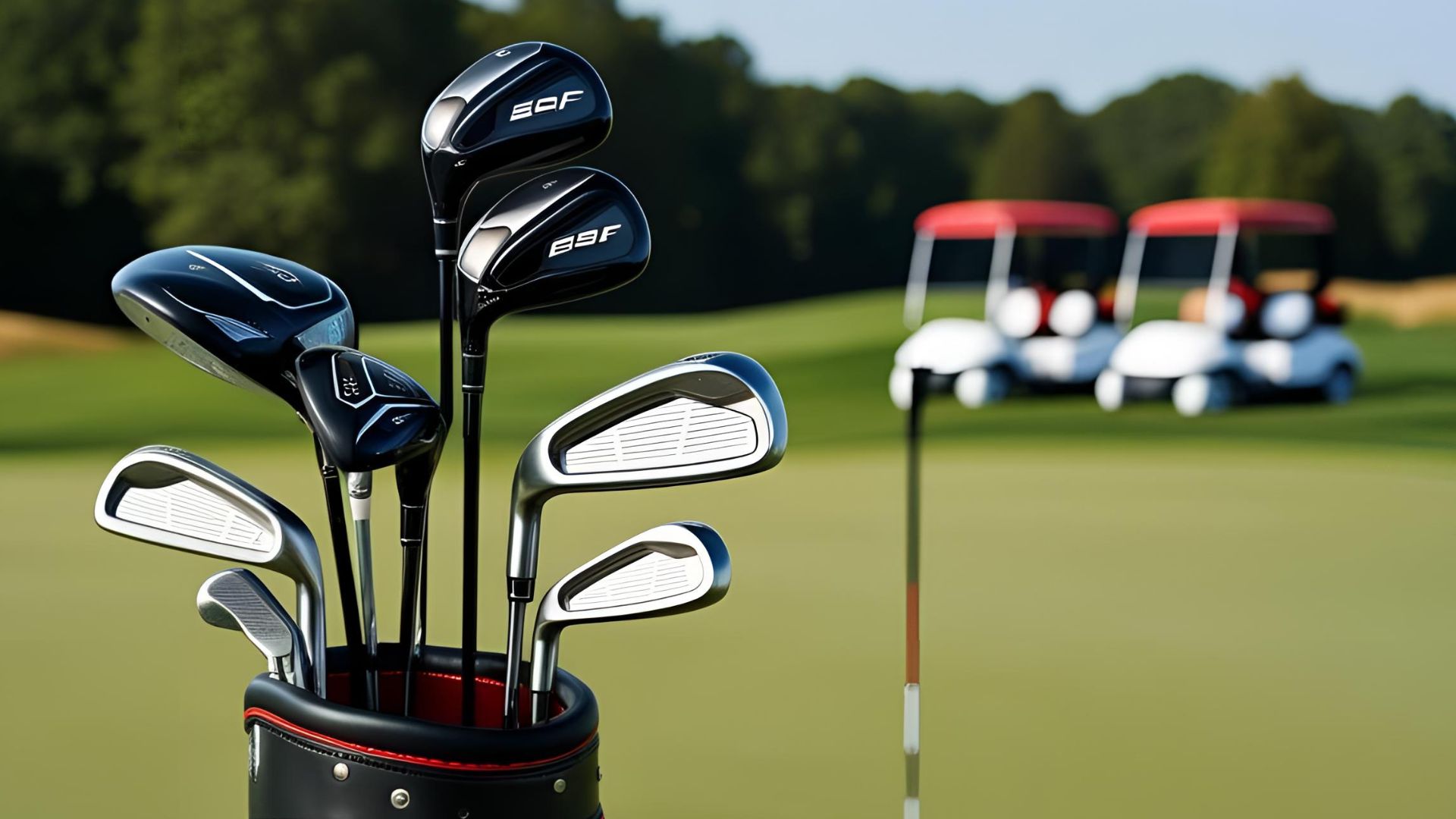
Often overlooked but critically important, the humble golf grip is your only direct connection to the club. Ensuring you have Proper Golf Grips can drastically improve your control, feel, and ultimately, your performance on the course. Many golfers play with old, worn, or incorrectly sized grips, unknowingly hindering their ability to make solid contact and control the clubface. Investing in proper grips is a low-cost, high-impact way to elevate your game and unlock more consistent shots.
Why Proper Golf Grips Matter: Connection and Control
The condition and size of your golf grips directly influence how you hold and swing the club. Worn grips, for instance, lose their tackiness, forcing you to squeeze the club tighter to prevent it from slipping. This tension travels up your arms, consequently stiffening your swing and reducing clubhead speed. Conversely, fresh, tacky grips allow for a lighter, more relaxed hold, promoting better feel and a smoother swing.
Equally important is grip size. If your grips are too thin, you might over-activate your wrists, which often leads to inconsistency. If they’re too thick, conversely, you’ll struggle to properly hinge your wrists, limiting power and control. Proper Golf Grips ensure your hands fit comfortably, allowing for the correct amount of pressure and optimal wrist action throughout the swing. This direct connection impacts everything from shot shape to distance control. Furthermore, understanding your grip’s role is fundamental to repeatable shots.
Choosing and Maintaining Your Golf Grips
When it comes to selecting appropriate golf grips, consider several factors. First, material: rubber grips offer durability and all-weather performance, while corded grips provide extra traction in wet conditions or for golfers with sweaty hands. Softer, multi-compound grips, on the other hand, offer a blend of feel and firmness. Secondly, size: this is often determined by measuring your hand from the tip of your middle finger to the crease in your wrist. Most pro shops can measure this for you and recommend standard, midsize, or oversized grips, or even custom builds with extra wraps of tape.
Finally, maintenance: regularly cleaning your grips with soap and water removes dirt and oil, restoring their tackiness and extending their lifespan. Most experts recommend regripping your clubs every 40 rounds or once a year, whichever comes first, to maintain optimal performance. Don’t let worn or ill-fitting grips sabotage your game; prioritize this essential piece of equipment. For instance, even top professionals like Jason Day, who recently withdrew from the 3M Open due to injury, understand the critical nature of every equipment detail.
The Anatomy of an Effective Golf Grip
Beyond material and size, the actual way you hold the club is paramount. There are three primary grip styles: the Vardon overlap, the interlocking, and the ten-finger (baseball) grip. Each has its proponents and benefits. The Vardon grip, for example, is the most common among professionals and amateurs alike, promoting a unified connection between the hands. The interlocking grip, often favored by players with smaller hands or less strength, links the pinky of the trailing hand with the index finger of the lead hand, creating a very secure hold. The ten-finger grip, conversely, allows for maximum feel and is often recommended for beginners or those seeking more power.
Regardless of your chosen style, the goal is to create a consistent, repeatable connection to the club. This consistency is a cornerstone of a reliable golf swing. Furthermore, the pressure applied to the grip is just as vital as the style. Many instructors advise a light-to-moderate pressure, akin to holding a tube of toothpaste without squeezing any out. Too much pressure creates tension, while too little leads to a loss of control. Therefore, mastering the nuances of your golf grip is a continuous journey of refinement.
How Grip Condition Impacts Shot Consistency
The performance of your golf club hinges significantly on the condition of its grip. A fresh grip provides optimal friction, allowing your hands to remain stable without excessive squeezing. As a result, this promotes a relaxed arm and shoulder position, which is crucial for generating clubhead speed and maintaining the correct swing plane. Worn grips, on the other hand, force golfers to apply more pressure to prevent slippage. This increased tension can lead to a host of swing faults, including a ‘death grip’ that restricts wrist hinge and forearm rotation. Consequently, this often results in inconsistent contact and diminished distance.
Consider, for instance, a situation where you need precise control, perhaps around the green or on a challenging tee shot. If your grips are slick, you inherently lose confidence in your ability to control the clubface. This psychological impact can be just as detrimental as the physical limitations. Therefore, regularly inspecting your grips for signs of wear – smooth spots, cracks, or hardened rubber – is a simple yet effective way to safeguard your consistency. Ensuring you always have Proper Golf Grips is a proactive step toward better scores.
The Science Behind Grip Size and Hand Dynamics
The relationship between grip size and hand dynamics is surprisingly intricate. When a grip is too small, a golfer’s fingers tend to dig into the palm, encouraging excessive wrist action. While some wrist hinge is desirable for power, too much can make it difficult to square the clubface at impact, leading to hooks or slices. Conversely, an oversized grip can restrict proper wrist hinge and rotation, making it harder to release the club effectively. This often results in a loss of power and a tendency to push shots.
Optimal grip size allows for the fingers of your top hand to lightly touch the fleshy pad of your palm. This fit promotes a balanced pressure and natural wrist movement. Many professional fitters use specific tools and measurements to determine the ideal size, considering not just hand length but also finger length and even the angle of your fingers around the shaft. The goal is to achieve a comfortable yet firm connection that facilitates rather than hinders your natural swing mechanics. Thus, custom-fitting for Proper Golf Grips can be a revelation for many players.
Advanced Grip Technologies and Innovations
The world of golf grips isn’t static; manufacturers are constantly innovating. Modern grips now incorporate advanced materials and designs aimed at enhancing performance. For example, some grips feature multi-texture zones, with firmer areas for stability and softer sections for feel. Others utilize advanced polymer compounds that offer superior vibration dampening, reducing impact shock and providing a more comfortable feel, especially for players with arthritis or hand sensitivities. There are also grips designed with specific weighting characteristics to help counterbalance heavier clubheads or promote certain swing feels.
Furthermore, the rise of smart technology has even touched grips, with some models integrating sensors to provide real-time swing data. These innovations underscore the importance placed on this critical contact point. While traditional rubber and cord grips remain popular, exploring the latest advancements can offer a competitive edge. Staying informed about these developments can help you make more informed choices when seeking Proper Golf Grips for your game. Consider how professional players like Lucas Herbert optimize every aspect of their equipment for peak performance.
The Psychological Edge of Confident Gripping
Beyond the physical mechanics, the psychological impact of having reliable golf grips is immense. When you step up to a shot, knowing that your hands have a secure and comfortable connection to the club instills confidence. This confidence translates into a more relaxed setup and a freer swing. Conversely, if you’re constantly worried about the club slipping or feeling uncomfortable, that doubt can creep into your mind and affect your execution. This mental tension can be just as detrimental as any physical flaw in your swing.
A fresh set of Proper Golf Grips can feel like a new lease on your game, offering a subtle but powerful psychological boost. It’s a small investment that reinforces your commitment to improving and optimizing every aspect of your equipment. Therefore, don’t underestimate the power of a confident connection to your club; it truly is a foundational element of a strong mental game on the course. Indeed, even a slight improvement in feel can lead to significant gains in performance and enjoyment.
Maintaining Your Investment: Longevity and Care
Once you’ve invested in Proper Golf Grips, ensuring their longevity and performance requires consistent care. Dirt, oil, and sunscreen can accumulate on the surface of your grips, diminishing their tackiness and accelerating wear. A simple cleaning routine can significantly extend their life. Use warm water, a mild soap, and a soft brush or cloth to gently scrub the grips. Rinse them thoroughly and allow them to air dry completely before use. This process should be done regularly, perhaps every few rounds, especially if you play frequently or in humid conditions.
Storage also plays a role. Avoid leaving your clubs in extreme temperatures, such as a hot car trunk, as this can cause the grip material to harden or degrade prematurely. Furthermore, consider storing your clubs in a cool, dry place. Even with diligent care, grips will eventually wear out. The general recommendation to regrip annually or every 40 rounds serves as a good guideline. However, if you notice a loss of tackiness, shine, or visible wear sooner, it’s wise to replace them. This proactive approach ensures you always have the best possible connection to your clubs, thereby maintaining optimal control and feel throughout your golf season.
The Impact of Grip Choice on Different Clubs
While the concept of Proper Golf Grips applies universally, the specific choice can sometimes vary slightly depending on the club. For instance, some golfers prefer a slightly softer or tackier grip on their wedges to enhance feel and control around the greens. Others might opt for a firmer grip on their driver to maximize stability during powerful swings. However, it’s crucial to maintain a generally consistent feel across your set to avoid jarring transitions between clubs. Most golfers will benefit from having the same model and size of grip on all their clubs, with potential minor adjustments for personal preference or specific needs.
The putter grip, however, is a notable exception. Putter grips are often much thicker and flatter than iron or wood grips, designed to minimize wrist action and promote a pendulum-like stroke. The variety in putter grips is vast, ranging from oversized models that reduce hand action to ergonomic shapes that fit the contours of your hands. Choosing the right putter grip is a highly personal decision and can significantly impact your putting performance. Therefore, while the general principles of good grip condition and fit apply, remember to consider the unique demands of each club in your bag. This nuanced approach helps tailor your equipment to your specific playing style.
Conclusion: Prioritize Your Connection to the Club
In conclusion, the significance of Proper Golf Grips cannot be overstated. This seemingly minor component is, in reality, a fundamental aspect of consistent and enjoyable golf. From influencing your swing mechanics and clubhead speed to instilling psychological confidence, your grips are your direct link to performance. By understanding the importance of grip condition, selecting the correct size and material, and committing to regular maintenance, you are taking a proactive step toward elevating your game.
Don’t let worn-out or ill-fitting grips hold you back. Invest in your connection to the club, and you’ll likely see improvements in control, feel, and ultimately, your scores. This small change truly offers a big impact on the course. For more insights into optimizing your game, explore our articles on equipment choices for senior players or how top athletes like Hannah Green find their form.
FAQ
What are the signs that my golf club grips need replacing?
You should consider replacing your golf club grips if they appear shiny or smooth, feel slick or hard, show cracks or wear spots, or if you find yourself squeezing the club tighter than usual. A loss of tackiness is a primary indicator that replacement is due.
How often should I change my golf club grips?
Most experts recommend changing your golf club grips every 40 rounds of golf or at least once a year, whichever comes first. However, if you practice frequently or play in humid conditions, you might need to replace them more often.
Does grip size really make a difference in my golf swing?
Absolutely. Grip size significantly impacts your hand action and swing mechanics. Grips that are too thin can lead to excessive wrist movement, while grips that are too thick can restrict proper wrist hinge, both of which can negatively affect power and control.
Can cleaning my golf club grips help restore their feel?
Yes, regularly cleaning your golf club grips with mild soap and water can effectively remove dirt, oil, and grime, which helps restore their original tackiness and extend their lifespan. Be sure to let them air dry completely.
What is the most common golf grip style for professionals?
The Vardon overlap grip is the most common grip style among professional golfers. This method involves overlapping the pinky finger of the trailing hand over the index finger of the lead hand, promoting a unified feel between the hands.
Related reading: