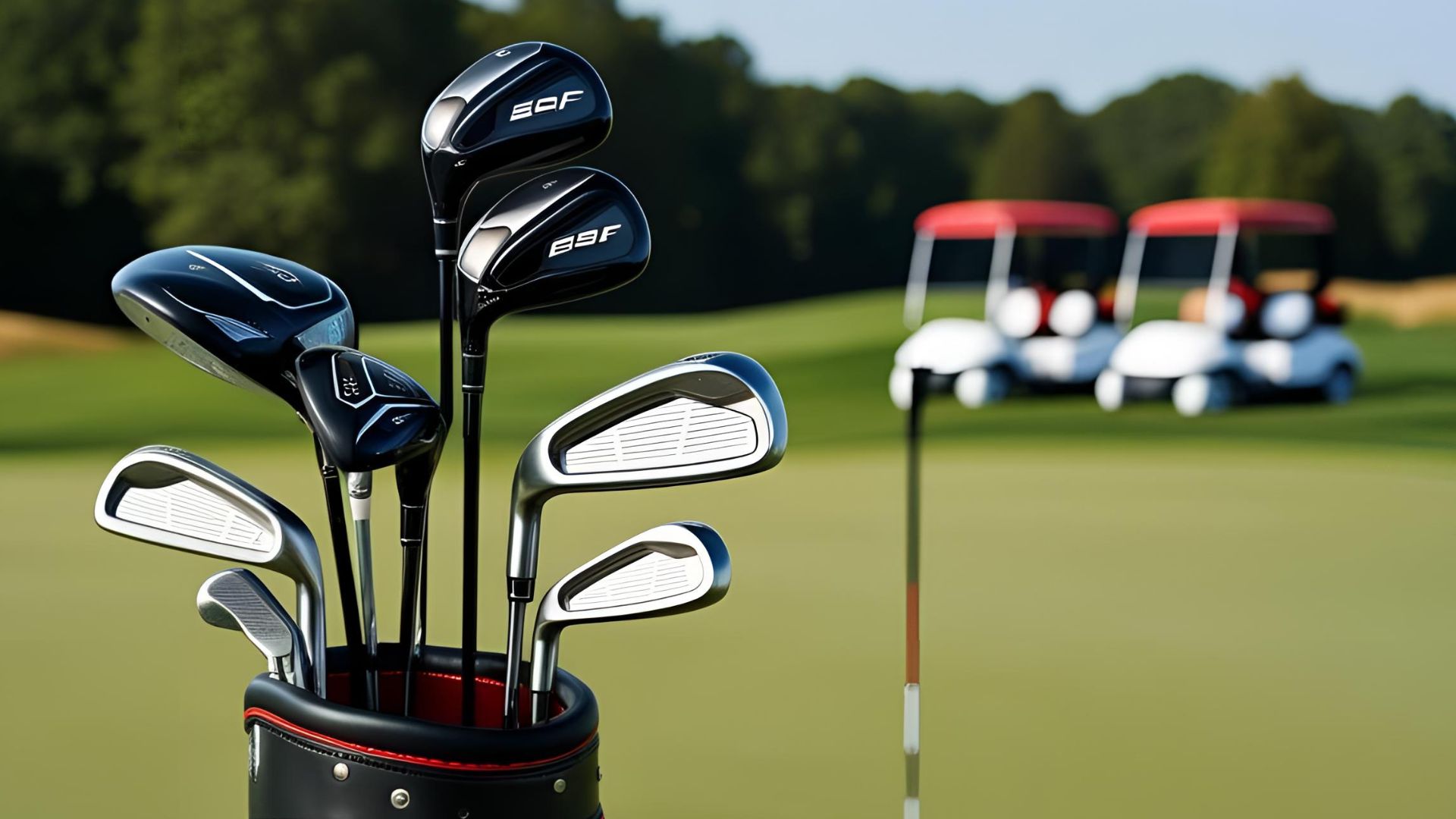
Finding the Best Golf Clubs for Mid-Handicap Players in 2026 isn’t just about buying the latest release. Instead, it’s about matching your equipment to your strengths, weaknesses, and long-term goals. A club that performs well for one golfer may not suit another, even if both have similar handicaps. Therefore, understanding your own swing is just as important as comparing club specifications.
Start by considering your typical ball flight. If you often slice the ball, look for game-improvement clubs with draw-biased technology and perimeter weighting. These features help reduce sidespin and improve accuracy. On the other hand, golfers who naturally draw the ball may benefit from more neutral designs that offer greater shot-shaping potential.
Swing speed also matters. Players with slower swing speeds usually benefit from lightweight graphite shafts and clubs with stronger lofts that maximize distance. Meanwhile, golfers with faster swings often gain better control from slightly heavier shafts and more workable clubheads. Matching shaft flex to your swing speed can improve both consistency and confidence.
Course conditions should also influence your decision. Golfers who frequently play soft courses may prefer irons with wider soles that glide through the turf. Conversely, firm conditions often reward thinner soles that provide cleaner contact. Small details like these can make a noticeable difference over an entire round.
Should You Buy a Full Set or Upgrade Individual Clubs?
Many golfers assume they need a completely new bag every few years. In reality, replacing only the clubs that hold back your performance is often the smarter investment. The Best Golf Clubs for Mid-Handicap Players in 2026 don’t necessarily have to come as a matching set.
Drivers and fairway woods generally deliver the biggest technology improvements each year. Modern designs offer better forgiveness, faster ball speeds, and more adjustable settings than older models. If your driver is several years old, upgrading it could immediately add distance and improve accuracy.
Irons, however, tend to remain competitive for many seasons. If your current irons still provide consistent yardages and feel comfortable, replacing them may not be necessary. Instead, consider investing in wedges or a newer putter, where improvements in spin control and feel can have a greater impact on scoring.
Many golfers also overlook hybrid clubs. Replacing difficult-to-hit long irons with hybrids can dramatically increase consistency. Hybrids launch the ball higher, land softer on greens, and perform better from rough than traditional long irons.
Custom Fitting Makes a Bigger Difference Than Brand Loyalty
One of the smartest investments any golfer can make is a professional club fitting. Even the Best Golf Clubs for Mid-Handicap Players in 2026 cannot perform at their highest level if they don’t match your swing characteristics.
During a fitting session, experts analyze important factors such as swing speed, launch angle, spin rate, lie angle, shaft length, grip size, and impact location. These measurements allow your clubs to be optimized specifically for you rather than for the average golfer.
Many players discover surprising results during fittings. For example, switching to a different shaft weight or changing the lie angle by just a few degrees can tighten shot dispersion significantly. Others gain extra carry distance simply by adjusting loft settings on an adjustable driver.
Custom fitting also helps eliminate unnecessary guesswork. Instead of buying clubs based on marketing claims or online reviews, you’ll know exactly which combination delivers the best performance for your swing.
Maintaining Your Clubs for Long-Term Performance
Buying quality equipment is only the beginning. Proper maintenance ensures your clubs continue performing season after season.
Clean the clubface after every round to remove dirt, grass, and debris from the grooves. Clean grooves generate more spin, especially with wedges and short irons. A simple brush and warm water are usually enough to keep clubs in excellent condition.
Inspect your grips several times each year. Worn grips reduce traction and encourage excessive grip pressure, which can negatively affect swing mechanics. Replacing grips annually is an affordable way to maintain consistent performance.
Store clubs in a dry environment whenever possible. Moisture can damage grips and encourage rust on steel shafts over time. Additionally, protect graphite shafts from unnecessary impacts during transportation by using a quality travel cover when needed.
Finally, check loft and lie angles every couple of seasons if you play frequently. Normal use can gradually alter these specifications, especially on forged irons.
Mistakes Mid-Handicap Golfers Should Avoid
Many golfers make buying decisions based purely on distance. While extra yardage is appealing, accuracy and consistency usually lower scores far more effectively than another ten yards off the tee.
Another common mistake is choosing clubs that are too advanced. Players often purchase compact blades because professionals use them. Unfortunately, these clubs demand nearly perfect ball striking. Most mid-handicap golfers benefit far more from forgiving cavity-back irons.
Ignoring shaft selection is another costly error. The shaft influences launch, spin, feel, and consistency just as much as the clubhead. Investing time in finding the proper shaft often produces better results than simply upgrading to a newer model.
Finally, avoid replacing equipment too frequently. Improving your swing, practicing regularly, and understanding your course management strategy will always provide greater long-term gains than chasing every new product release.
Final Thoughts
Choosing the Best Golf Clubs for Mid-Handicap Players in 2026 comes down to finding equipment that complements your game rather than chasing trends. Today’s golf technology offers exceptional forgiveness, distance, and adjustability, giving mid-handicap golfers more options than ever before.
Before making a purchase, honestly evaluate your strengths, weaknesses, and playing style. Test multiple clubs whenever possible, compare performance data, and consider investing in a professional fitting. Even small adjustments can produce noticeable improvements throughout your bag.
Remember that great clubs cannot replace good fundamentals. However, the right equipment can certainly make your swing more forgiving, boost confidence, and help you enjoy the game even more. With careful research and thoughtful selection, you’ll be well prepared to play your best golf throughout 2026 and beyond.
FAQ
1. Which club brands are popular among mid-handicap golfers?
Popular choices include Callaway, TaylorMade, Ping, Titleist, Cobra, Mizuno, Srixon, and Wilson. Each brand offers forgiving models designed to balance distance, control, and consistency.
2. How often should I replace my golf clubs?
Most golfers can use quality clubs for five to ten years. However, drivers and wedges may benefit from earlier replacement due to advancing technology and groove wear.
3. Are game-improvement irons suitable for experienced golfers?
Yes. Many skilled recreational golfers choose forgiving irons because they provide consistent distance and help maintain accuracy on off-center strikes.
4. Is a custom fitting worth the cost?
Absolutely. A fitting ensures your clubs match your swing speed, shaft preferences, and setup, often producing better results than buying standard equipment off the shelf.
5. What should I prioritize when buying new golf equipment?
Focus on forgiveness, consistency, proper shaft fit, and overall confidence at address. These factors usually contribute more to lower scores than simply chasing maximum distance.