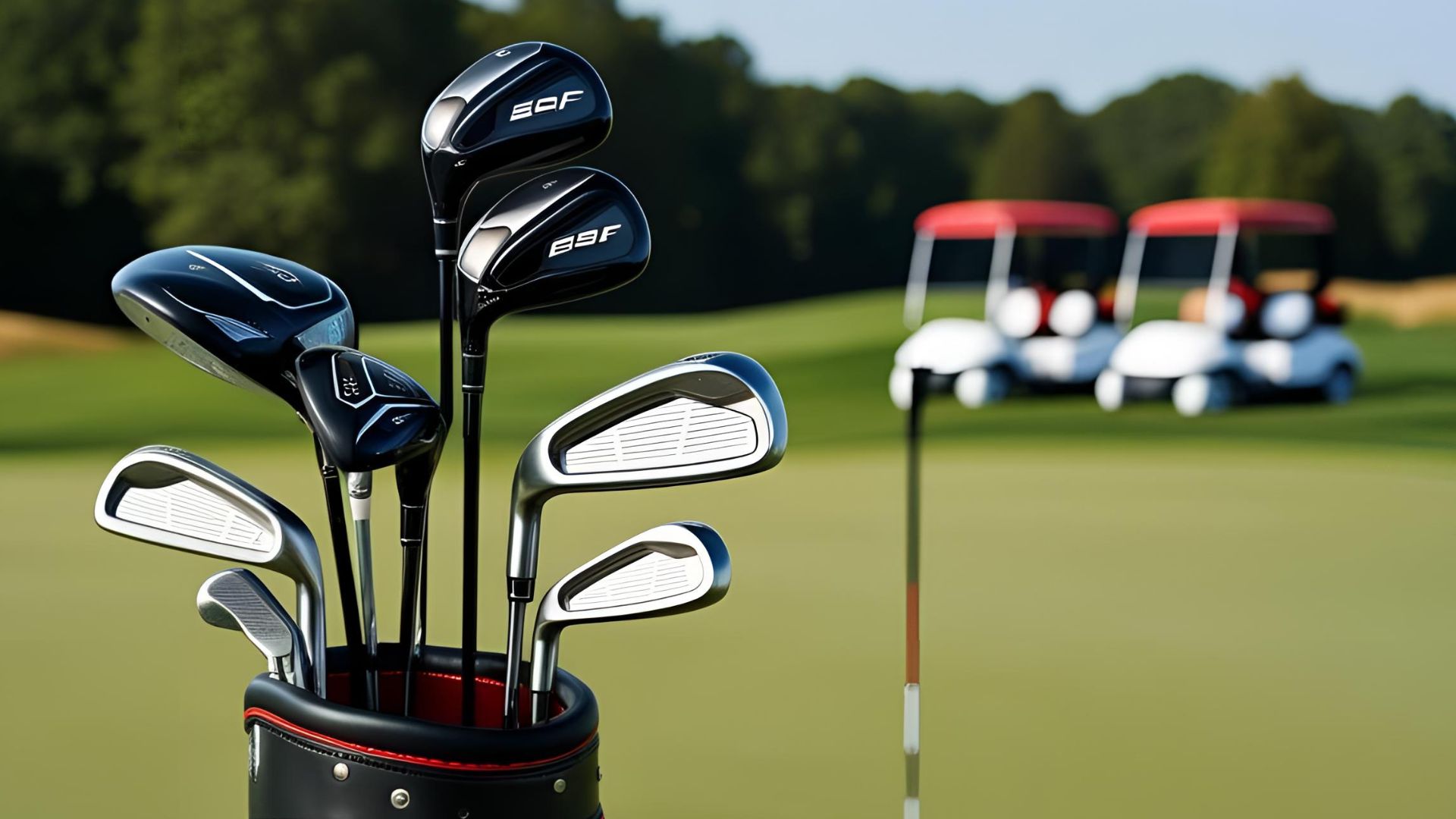
Choosing between graphite vs steel shafts is one of the most important decisions a golfer can make when upgrading equipment. The shaft influences feel, tempo, ball flight, and consistency. It helps determine whether your swing works effortlessly or whether you fight unwanted tendencies during every round. While many golfers focus on clubhead design, the shaft quietly controls how well you deliver that head to the ball. When the shaft matches your mechanics, everything becomes more predictable. When it doesn’t, even the best clubhead struggles to perform.
Understanding graphite vs steel shafts isn’t just a matter of comparing weight or stiffness. Instead, it’s about learning how each material interacts with your swing. Men with faster tempos may prefer the stability of steel. Players seeking speed or reduced vibration often lean toward graphite. Because every golfer has unique motion patterns, the decision should be tailored to your game, not generic assumptions. This guide breaks down how each shaft type affects performance, so you can make the best possible choice.
Why Graphite vs Steel Shafts Matter for Men
The graphite vs steel shafts conversation matters because the shaft acts like the engine of your golf club. It controls how energy transfers from your swing into the ball. A shaft that fits your tempo, strength, and rhythm helps you strike the ball more consistently. One that doesn’t fit can create unpredictable curvature, poor contact, and unnecessary tension in your hands and forearms.
Graphite shafts deliver faster swing speeds due to their lighter weight. This helps men who want additional distance or who struggle generating power. Steel shafts offer enhanced stability and control, making them attractive to players who prioritize precision. Your choice affects every shot you hit—from driver to wedge—and influences how comfortable you feel during long rounds. Because men vary widely in strength and swing style, choosing thoughtfully ensures your equipment supports your natural tendencies instead of working against them.
How Weight Influences the Choice Between Graphite vs Steel Shafts
Weight remains one of the biggest distinctions in the graphite vs steel shafts debate. Graphite is significantly lighter. A lighter shaft helps generate more clubhead speed without requiring extra effort. This benefit makes graphite a popular choice among beginners, seniors, and players recovering from injury. Even many skilled golfers prefer lighter shafts because they reduce fatigue during long rounds and help maintain rhythm.
Steel shafts weigh more, offering a grounded feel that suits players with stronger swings. The extra weight stabilizes the clubhead through impact, reducing twisting and improving accuracy. For golfers who swing aggressively or who want to control trajectory closely, steel often becomes the preferred option. Weight influences not only speed but also timing. As your tempo interacts with the shaft weight, you’ll feel the difference immediately. Graphite invites fluidity. Steel encourages structure.
Image alt suggestion: “comparison of graphite and steel shaft weights for golfers”
Internal link suggestion: See our guide on club swing weight for deeper insight.
Feel Differences in Graphite vs Steel Shafts for Men
Feel remains a major factor when choosing between graphite vs steel shafts. Graphite absorbs more vibration, making shots feel smoother. This cushioning helps men who experience joint discomfort or want a softer sensation through impact. It also minimizes sting on mishits, which improves comfort during off-center contact.
Steel transmits more feedback. Some golfers enjoy this because it helps them sense exactly where the ball contacts the face. With steel, you receive instant information that can influence adjustments in your swing. Many skilled players appreciate this transparency because it gives them more control over ball flight. Feel is subjective, but its impact on confidence cannot be overstated. When your hands trust the sensation of the shaft, your swing becomes more natural.
Outbound link example: The PGA explains how shaft materials influence feel and control.
Distance Potential in Graphite vs Steel Shafts
Distance potential shifts when comparing graphite vs steel shafts. Because graphite is lighter, many players immediately see increased swing speed. This extra speed naturally converts into more distance, especially for golfers who struggle generating power. Graphite also promotes higher launch due to its flex properties, helping men who want additional height or carry.
Steel offers less help with distance but compensates with precision. Its heavier mass produces more stable contact and better directional control. For golfers with adequate speed, steel may deliver equal or better distance because contact quality improves. The choice depends on your natural swing characteristics. If you benefit from a lighter load, graphite helps. If you want stability, steel supports your strength.
Internal link suggestion: Learn how launch angle affects your distance in our distance optimization article.
Accuracy Differences Between Graphite vs Steel Shafts
Accuracy remains a key deciding factor in the graphite vs steel shafts debate. Steel often wins in this category because it resists twisting during the swing. The firmer feel and added weight enhance control, helping golfers deliver the clubface more consistently. Players who prioritize tight dispersion usually prefer steel.
Graphite offers accuracy improvements too, but its lighter weight sometimes encourages timing inconsistencies for players with fast transitions. However, modern graphite shafts have improved dramatically. High-quality graphite now includes advanced stability cores that rival steel in control. If you want the best of both worlds—speed and stability—premium graphite designs can deliver impressive results.
Outbound link example: Golf Digest explores how shaft stability affects shot accuracy.
Who Should Choose Graphite Shafts?
Graphite shafts suit men who want speed, comfort, and reduced vibration. They benefit players with moderate or slow swing speeds, golfers seeking extra distance, or those who experience elbow or wrist discomfort. Graphite shafts are excellent for beginners because they lighten the load and help develop consistent rhythm. Seniors also benefit from graphite because lighter shafts allow smoother motion.
Players who rely on tempo rather than force often find graphite easier to manage. The added launch and softer feel help produce a more balanced flight. If you want effortless distance and less physical strain, graphite deserves serious consideration.
Who Should Choose Steel Shafts?
Steel shafts suit golfers who want precision, control, and consistent feedback. Players with faster swing speeds or forceful transitions benefit from steel’s stability. The added weight keeps the club on plane and reduces twisting when contact isn’t perfect. Men who prefer a punchy, responsive feel often choose steel because it provides crisp impact sensation.
Steel remains the go-to option for many mid- to low-handicap players because it delivers unmatched directional control. If you prioritize consistency and enjoy feeling the ball during impact, steel gives you the confidence to swing aggressively without losing accuracy.
Image alt suggestion: “steel shaft stability during golfer’s impact position”
Durability Differences in Graphite vs Steel Shafts
Durability plays a role in choosing graphite vs steel shafts. Steel shafts are incredibly durable and resist bending, denting, and long-term fatigue. They withstand heavy bags, travel, and frequent play. Graphite is also strong, but it can splinter or crack if damaged. Modern manufacturing improvements have strengthened graphite significantly, but steel still holds the edge for rugged durability.
Golfers who travel often or store clubs loosely may appreciate steel’s long-term resilience. That said, graphite’s durability is more than sufficient for typical play, and most failures occur only from accidental impacts.
Shaft Flex Considerations in the Graphite vs Steel Shafts Decision
Flex determines how the shaft bends during your swing. Graphite shafts typically offer a wider range of flex options and smoother transitions. This variety helps players who need launch enhancements or who swing with rhythm rather than force. Steel flex tends to feel firmer and more controlled, making it ideal for players with fast or aggressive transitions.
Fitters often use launch monitor data to determine ideal flex. Too soft encourages hooks and ballooning flights. Too stiff leads to low shots and slices. Matching flex to swing speed and tempo creates reliable trajectories.
Internal link suggestion: See our step-by-step shaft flex selection guide.
How Graphite vs Steel Shafts Affect Iron Play
Iron play highlights the differences clearly. Graphite irons feel lighter, helping men who want more height or who struggle hitting long irons. They also reduce vibration, improving comfort on miss-hits. Steel irons deliver consistent turf interaction and predictable ball flight.
Players focused on shaping shots or managing trajectory often prefer steel in irons. Those wanting speed or comfort choose graphite. Increasingly, golfers mix both materials—graphite in long irons for speed and steel in short irons for control.
How Hybrids and Woods Respond to Graphite vs Steel Shafts
Most woods and hybrids use graphite shafts because speed matters more in these clubs. Graphite enhances launch and carry distance, helping players reach long par 5s or attack long par 3s. Steel hybrids are rare but offer niche advantages for players who want extreme stability.
When comparing graphite vs steel shafts for hybrids, the decision depends on feel. If you want higher launch and smoother rhythm, graphite wins. If you want a compact, controlled feel, steel may appeal.
Putting and Wedge Considerations
Wedges and putters differ because feel dominates performance. Steel shafts remain standard due to their precision and feedback. Some golfers experiment with graphite wedge shafts for reduced vibration, but most still prefer steel for touch shots.
Putters sometimes use graphite inserts to improve feel, but steel remains the traditional choice.
What to Expect During a Shaft Fitting
A shaft fitting evaluates your speed, tempo, ball flight, and impact patterns. You hit balls while a launch monitor records spin, launch, dispersion, and club delivery. Fitters test graphite vs steel shafts to observe differences in your ball flight. You’ll feel variations in weight, stability, and responsiveness.
Once data is collected, the fitter recommends the shaft that best supports your style of play. Most golfers immediately notice improved timing, feel, and consistency.
Image alt suggestion: “shaft fitting session using launch monitor analysis”
Long-Term Performance Benefits
Choosing the right shaft material provides long-term gains in consistency, comfort, and confidence. Graphite offers lightweight ease and smoothness. Steel provides structure and honest feedback. Both options have strengths, and both can elevate your game when matched correctly to your swing mechanics.
Conclusion
Finding the right match in the graphite vs steel shafts debate helps men play their best golf. Whether you want more speed, more accuracy, or more comfort, the correct shaft unlocks these improvements naturally. Your swing becomes smoother, your strikes more solid, and your ball flight more controlled. With the proper shaft material guiding your motion, every round feels more enjoyable and more consistent.
FAQ
1. Are graphite shafts easier to swing?
Yes. Their lighter weight helps generate faster speed with less effort.
2. Do steel shafts offer more control?
Generally, yes. Steel provides stability and consistent feedback.
3. Can beginners use steel shafts?
They can, but many beginners prefer graphite for comfort and speed.
4. Are graphite shafts durable?
Modern graphite is durable, though steel still offers superior toughness.
5. Should I get fitted for shafts?
Absolutely. A fitting ensures you choose a shaft that matches your swing.