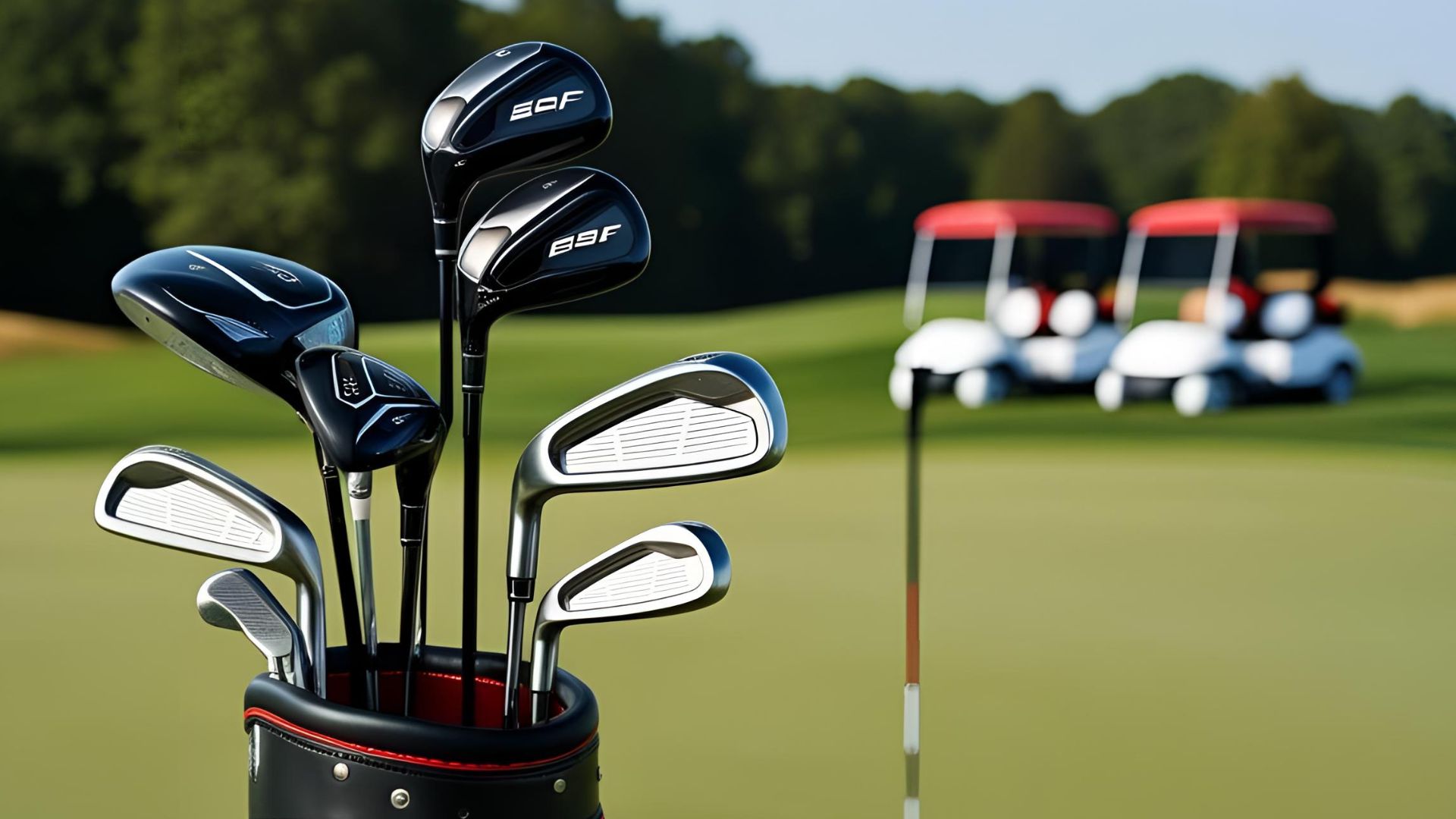
Many golfers spend thousands of dollars on premium equipment, hoping newer clubs will instantly improve their game. However, even the most advanced clubs cannot perform at their best if they aren’t properly matched to the golfer using them. That’s where Custom Golf Club Fitting makes a tremendous difference. Instead of adjusting your swing to fit standard clubs, a professional fitting adjusts the clubs to fit your unique swing.
Golfers come in different heights, swing speeds, skill levels, and physical abilities. A club that works perfectly for one player may perform poorly for another. Proper club fitting ensures every component—from shaft flex to lie angle—is optimized for your game.
This guide explains how custom club fitting works, what happens during a fitting session, and why golfers of every skill level can benefit from professionally fitted equipment.
What Is Custom Golf Club Fitting?
Custom Golf Club Fitting is the process of analyzing a golfer’s swing and matching equipment specifications to maximize performance. Professional fitters use launch monitors, swing analysis technology, and hands-on testing to determine the ideal club configuration.
Rather than relying on standard, off-the-shelf specifications, club fitting evaluates multiple factors including club length, shaft flex, shaft weight, grip size, loft, lie angle, and clubhead design.
The goal is simple: produce more consistent shots with greater accuracy, improved distance, and better overall confidence.
Why Proper Club Fitting Matters
Every golfer develops natural swing characteristics. Trying to force your swing to match poorly fitted clubs often leads to unnecessary compensations that reduce consistency.
With proper Custom Golf Club Fitting, golfers frequently experience tighter shot dispersion, improved ball striking, higher confidence, and better distance control. Even small adjustments in shaft flex or lie angle can noticeably improve accuracy.
Fitted clubs also reduce frustration. Instead of wondering whether poor shots result from faulty technique or unsuitable equipment, golfers can practice knowing their clubs are properly matched to their abilities.
What Happens During a Club Fitting Session?
A professional fitting begins with a conversation about your golfing experience, current equipment, strengths, weaknesses, and performance goals.
Next, the fitter measures physical characteristics such as height, wrist-to-floor distance, hand size, and posture. You’ll then hit shots while launch monitors collect valuable information including swing speed, ball speed, launch angle, spin rate, carry distance, and shot dispersion.
Using this data, the fitter compares different clubheads, shafts, grip sizes, and specifications until the optimal combination is identified. The entire process focuses on measurable performance rather than personal opinion or marketing claims.
Key Elements of a Professional Club Fitting
Several components work together during Custom Golf Club Fitting to optimize your equipment. Understanding each one helps you appreciate why properly fitted clubs perform so much better than standard models.
Shaft flex affects how the club loads and unloads during the swing. Golfers with faster swing speeds generally require stiffer shafts, while slower swing speeds often benefit from more flexible options.
Club length influences posture, swing plane, and consistency of contact. Clubs that are too long or too short can cause recurring swing faults.
Lie angle determines how the clubhead sits at impact. An incorrect lie angle may cause shots to consistently miss left or right, even when the swing is solid.
Grip size also plays an important role. Grips that are too small or too large can affect hand action, comfort, and shot control.
Driver Fitting vs. Iron Fitting
Every club in your bag serves a different purpose, so each requires its own fitting considerations.
Driver fitting primarily focuses on maximizing distance while maintaining accuracy. Fitters evaluate loft, shaft length, shaft flex, launch angle, spin rate, and clubhead design to produce the ideal ball flight.
Iron fitting emphasizes consistency, distance control, and accuracy. Proper lie angles, shaft specifications, and club length help golfers produce tighter shot patterns and more reliable approach shots.
Many golfers choose a complete Custom Golf Club Fitting session that evaluates every club in the bag, ensuring consistent performance throughout the set.
Should Beginners Get Fitted?
Many golfers believe club fitting is only worthwhile for professionals or low-handicap players. In reality, beginners often benefit just as much—if not more—from properly fitted equipment.
Using clubs that match your height, swing speed, and physical build makes it easier to develop sound swing fundamentals from the beginning. Properly fitted clubs promote better posture, more centered contact, and greater confidence during practice.
Rather than learning to compensate for ill-fitting equipment, beginners can focus on building good habits that support long-term improvement.
When Should You Get a Club Fitting?
There isn’t a single perfect time for every golfer, but certain situations make a fitting especially valuable.
If you’ve recently improved your swing, increased your swing speed, or returned to golf after several years away, your equipment may no longer suit your current game. Similarly, golfers purchasing new clubs should consider fitting before making a final decision.
Many players also schedule a fitting after taking several lessons. Once major swing changes have stabilized, matching your clubs to your improved mechanics can maximize the benefits of both instruction and equipment.
Common Club Fitting Myths
One common misconception is that fitted clubs automatically fix swing flaws. While Custom Golf Club Fitting improves performance, it cannot replace sound fundamentals or regular practice.
Another myth is that custom fitting always costs thousands of dollars. In reality, many golf retailers include fitting services with club purchases, while independent fittings are often reasonably priced compared to the long-term benefits.
Some golfers also believe one fitting lasts forever. As your swing changes over time, equipment adjustments may become necessary to maintain optimal performance.
Finally, don’t assume expensive clubs are automatically the best choice. During a fitting, performance should always outweigh brand loyalty or marketing claims.
Getting the Most From Your Fitting
To maximize your fitting session, arrive well-rested and warmed up. Bring your current clubs so the fitter can compare them with potential replacements.
Wear the golf shoes and glove you normally use during rounds, as these affect posture and swing mechanics. Most importantly, swing naturally. Trying to impress the fitter by swinging harder than usual may produce inaccurate recommendations.
Be honest about your playing ability and goals. Whether you want more distance, improved accuracy, or greater consistency, clear communication helps the fitter recommend equipment that truly matches your needs.
Final Thoughts
Custom Golf Club Fitting is one of the smartest investments golfers can make because it ensures every club complements their unique swing rather than forcing unnecessary adjustments. Properly fitted equipment improves consistency, accuracy, distance, and confidence while making practice more productive and enjoyable.
Whether you’re a beginner buying your first set or an experienced golfer upgrading your equipment, professional fitting helps eliminate guesswork from the purchasing process. Instead of choosing clubs based on appearance or popularity, you’ll select equipment backed by measurable performance data.
The best golf clubs aren’t necessarily the newest or most expensive. They’re the ones that fit your swing, support your strengths, and help you play your best golf every time you step onto the course.
FAQ
1. Is custom golf club fitting worth it for high-handicap golfers?
Yes. High-handicap golfers often see significant improvements because fitted clubs promote better contact, increased forgiveness, and greater consistency.
2. How long does a complete club fitting take?
A full bag fitting typically takes between two and four hours, while driver-only or iron-only fittings usually require about one hour.
3. Can I use my current clubs during a fitting?
Yes. Most fitters begin by evaluating your current equipment before recommending changes or comparing new options.
4. How often should golfers get fitted?
Most golfers benefit from a fitting every three to five years or whenever significant swing changes or physical changes occur.
5. Will custom-fitted clubs automatically lower my scores?
Fitted clubs improve your chances of hitting more consistent shots, but lasting score improvements still depend on practice, good course management, and solid swing fundamentals.