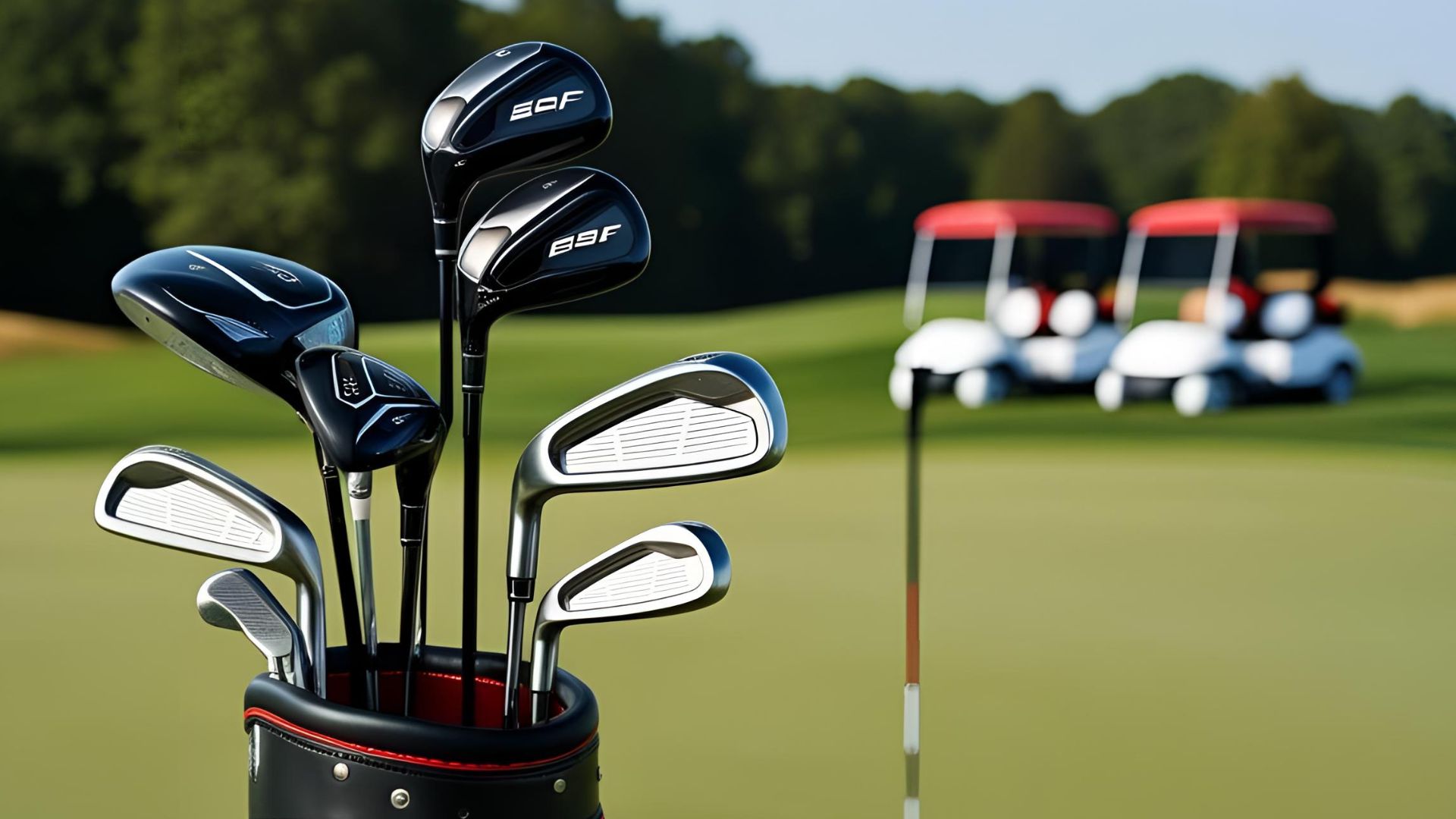
A well-packed golf bag can make your round easier, more comfortable, and less stressful. The right golf bag essentials ensure you have what you need when weather changes, equipment fails, or a ball disappears into deep rough. More importantly, being prepared lets you focus on playing instead of searching for something you forgot.
Most golfers remember their clubs. However, a complete bag requires much more than a driver, irons, wedges, and putter.
Balls and tees are obvious necessities. Yet smaller items, including a divot tool, ball marker, towel, sunscreen, and rain gear, can become equally important during a four-hour round.
At the same time, carrying too much creates another problem. An overloaded bag becomes heavy and cluttered, particularly if you prefer walking.
Therefore, smart packing means carrying useful equipment without filling every pocket.
The following 15 items cover the practical basics. Whether you are a beginner or experienced player, this checklist can help you arrive at the first tee prepared for the round ahead.
Why Packing Your Golf Bag Properly Matters
Preparation can affect both comfort and performance.
Imagine reaching the third tee and discovering that you have only one golf ball left. Likewise, sudden rain becomes much more frustrating when your waterproof jacket is sitting at home.
The most useful golf bag essentials solve these small but common problems before they interfere with your game.
Organization also matters. Knowing exactly where everything is stored saves time during the round. Instead of searching through several pockets, you can quickly find your tees, rangefinder, glove, or ball marker.
Additionally, a properly organized bag helps protect your equipment.
Keep valuables in a dedicated pocket. Store wet items separately when possible, and avoid allowing loose accessories to damage electronics.
Before each round, perform a quick inventory. It takes only a few minutes, yet it can prevent plenty of frustration.
Now, here are the 15 items worth keeping in your golf bag.
1. Enough Golf Balls
Golf balls are easily among the most important items in your bag. Even skilled golfers can lose balls because of water hazards, thick rough, trees, or unexpected bounces.
How many should you carry?
That depends on your ability and the difficulty of the course. Many golfers will be comfortable carrying six to twelve balls. Beginners or players tackling a difficult course may want more.
Your golf bag essentials should include enough balls to finish comfortably without adding unnecessary weight.
Try to use the same model throughout the round. Different golf balls can produce noticeable changes in feel, spin, launch, and distance.
Also, mark your golf balls before playing. A simple identification mark makes it easier to distinguish your ball from another golfer’s.
Finally, inspect older balls before putting them into your bag. Replace heavily damaged or badly scuffed balls when performance matters.
2. Golf Tees in Different Sizes
Tees are small, inexpensive, and extremely easy to forget.
Carry enough for the entire round because wooden tees can break frequently. Keeping several extras also means you can help another golfer who runs out.
Among your golf bag essentials, consider carrying at least two tee lengths.
Longer tees work well with modern drivers because they allow you to position more of the ball above the clubhead. Shorter tees are useful for fairway woods, hybrids, and irons on par-3 holes.
Wood and plastic tees both work effectively. Therefore, your choice mostly comes down to personal preference.
Store tees in a small accessory pocket rather than allowing them to scatter throughout your bag.
That simple habit makes them easier to find when you reach the next tee box.
3. A Reliable Golf Glove
A golf glove can improve grip and reduce friction between your hand and the club.
Most golfers wear a glove on their lead hand. Right-handed golfers usually wear one on the left hand, while left-handed golfers normally wear one on the right.
However, one glove may not be enough.
A spare belongs among your golf bag essentials because gloves can become wet from sweat or rain. Once saturated, they may feel slippery and uncomfortable.
Rotate gloves during hot rounds so each one has time to dry.
Leather gloves generally provide excellent feel, while synthetic options can offer greater durability. Some golfers also carry dedicated rain gloves for wet conditions.
Store gloves flat when possible. Stuffing them into a pocket while damp can reduce their lifespan.
4. Golf Towel
A towel performs several jobs during a round.
You can use it to clean clubfaces, remove dirt from grooves, dry grips, and wipe moisture from your hands.
Because clean clubfaces create more predictable contact, a towel can indirectly support performance.
For that reason, it deserves a permanent place among your golf bag essentials.
Many golfers attach a microfiber towel to the outside of the bag for easy access. You can wet one section before the round while leaving another section dry.
The damp portion helps remove mud and grass from clubs. Meanwhile, the dry section can handle grips and hands.
During rainy rounds, consider carrying an additional towel inside a waterproof pocket.
A dry towel can become extremely valuable once everything else gets wet.
5. Divot Repair Tool
Taking care of the course is part of good golf etiquette.
A divot repair tool lets you repair pitch marks created when balls land on the green. Fixing these marks helps maintain a smoother putting surface for everyone.
This tiny tool takes almost no space, making it one of the easiest golf bag essentials to carry.
Use it carefully. Rather than lifting the center of the mark upward, gently work the surrounding turf toward the middle.
Many modern repair tools also include additional features. Some have magnetic ball markers, club rests, or groove-cleaning attachments.
However, a simple tool works perfectly well.
Keep it somewhere accessible so you can repair your mark immediately after reaching the green.
6. Ball Marker
A ball marker allows you to lift your ball from the putting green without losing its position.
You do not need anything elaborate. A small coin or purpose-built marker works well.
Nevertheless, a dedicated marker belongs among your golf bag essentials because it prevents you from searching your pockets every time you reach the green.
Many gloves and divot tools include magnetic markers. These combinations can reduce the number of separate accessories you need to carry.
Keep at least one spare in your bag.
Markers are small enough to disappear easily, especially when you regularly move them between pockets.
Most importantly, choose something flat enough that it will not interfere with another player’s putt.
7. Rangefinder or GPS Device
Knowing your distance to the target makes club selection easier.
Laser rangefinders can provide precise measurements to specific objects. GPS watches and handheld devices, meanwhile, can show distances to the front, middle, and back of greens.
For golfers focused on course management, these devices can become valuable golf bag essentials.
However, technology only helps when it is ready to use.
Charge electronic devices before leaving home. If your rangefinder uses replaceable batteries, consider carrying a spare battery in your bag.
You should also understand the rules of the competition or course where you are playing. Certain functions may not be permitted during some competitive rounds.
Even without advanced technology, knowing reliable yardages can improve decision-making and reduce unnecessary guesswork.
8. Water or a Hydration Bottle
Hydration is important during any round, particularly in warm weather.
Golf may not feel as intense as running or cycling, but a full round can keep you outdoors for several hours. Walking the course also adds considerable physical activity.
Therefore, water should be treated as one of your essential golf bag essentials rather than an optional extra.
A reusable insulated bottle can help keep drinks cooler during summer.
Drink regularly throughout the round instead of waiting until you feel extremely thirsty. On particularly hot days, appropriate electrolyte drinks may also be useful.
Some courses provide water stations. However, you should not assume they will always be available.
Starting with your own supply ensures you have something to drink from the first tee onward.
9. Sunscreen
Golf exposes you to sunlight for long periods.
Even when temperatures feel comfortable, ultraviolet exposure can remain significant. Sunscreen therefore deserves a permanent place in your golf bag.
Choose broad-spectrum protection suitable for outdoor activity. Additionally, follow the product instructions for application and reapplication.
When organizing golf bag essentials, place sunscreen somewhere easy to reach. If it is buried beneath several layers of equipment, you may be less likely to reapply it.
A smaller container can reduce bag weight while still providing enough product for the round.
Remember commonly missed areas such as the ears, neck, and exposed parts of the face.
Protective clothing, sunglasses, and a golf hat can provide additional coverage.
10. Rain Gear
Weather can change quickly during a four-hour round.
A lightweight waterproof jacket can prevent an unexpected shower from ruining your day. If conditions are particularly unpredictable, waterproof trousers may also be worthwhile.
Rain gear should therefore be included among your seasonal golf bag essentials.
Choose garments that pack down easily. Modern lightweight waterproof clothing can fit into a relatively small bag pocket.
Breathability matters too. A jacket that keeps rain out but traps excessive heat can become uncomfortable during warm conditions.
Golf-specific rainwear should also provide enough stretch for unrestricted swinging.
In addition, consider a waterproof bag cover if heavy rain is expected.
Keeping your clubs and belongings dry can make the remainder of the round far more manageable.
11. Extra Clothing Layers
Temperature can change significantly between the first and eighteenth holes.
Morning rounds may begin in cool conditions before temperatures rise. Conversely, afternoon rounds can become chilly as the sun drops.
A lightweight pullover or vest can therefore be one of the most practical golf bag essentials.
Choose layers designed for movement. Bulky clothing can restrict shoulder rotation and make your swing feel uncomfortable.
During summer, you may instead want an extra shirt. Changing out of a sweat-soaked polo can improve comfort after the round.
Cold-weather golfers may require additional items such as thermal layers or winter gloves.
Adapt your clothing to the season rather than carrying the same equipment throughout the year.
12. Snacks for the Round
Golf requires concentration for several hours. Hunger can make maintaining that focus more difficult.
Simple snacks provide convenient energy without taking up much space.
Options such as bananas, sandwiches, nuts, fruit, or suitable snack bars can work well depending on your preferences.
Food belongs among practical golf bag essentials because halfway houses and beverage carts may not always be available.
Avoid packing foods that melt easily or create unnecessary mess inside your bag.
Resealable packaging can help keep crumbs away from gloves and equipment.
Additionally, remember to remove leftover food after the round. Forgotten snacks can create unpleasant surprises the next time you open your golf bag.
13. Club Cleaning Tool
Your towel can remove basic dirt, but a small brush makes cleaning grooves easier.
Grooves can collect grass, soil, and sand during the round. Cleaning them helps maintain consistent contact between the clubface and ball.
Therefore, a groove brush is a useful addition to your golf bag essentials.
Many golf brushes include both softer and firmer bristles. Some also include a small groove-cleaning tool.
Attach the brush somewhere accessible on the outside of your bag.
Clean your club after each shot when necessary rather than allowing dirt to accumulate throughout the round.
Regular cleaning also makes your post-round equipment maintenance easier.
14. Basic First-Aid Supplies
Minor problems can happen on the course.
Blisters, small cuts, insect bites, and other minor irritations can become surprisingly distracting during a round.
A compact first-aid pouch takes little space and can be included with your golf bag essentials.
Basic supplies might include adhesive bandages and blister protection. Any personal medical supplies you normally require should also be carried appropriately.
The goal is not to turn your golf bag into a complete medical kit.
Instead, carry a few basic items that can address common minor problems until you can access proper assistance if needed.
Check supplies occasionally and replace anything that has expired or become damaged.
15. Portable Phone Charger
Your phone may serve several purposes on the golf course.
You might use it for GPS yardages, digital scorecards, weather information, communication, or emergency contact.
Unfortunately, these functions can drain the battery.
A compact power bank can therefore complete your collection of golf bag essentials, especially during long days at the course.
Charge the power bank before your round and store it in a protected pocket. Keep charging cables organized so they do not become tangled with other accessories.
However, use your phone considerately.
Keep notifications and sounds from disturbing other players. Golf moves more smoothly when technology supports the round rather than becoming a distraction.
How to Organize Your Golf Bag
Having the right equipment matters, but organization makes everything easier to use.
Start with your clubs. Arrange them so they are easy to identify and remove without damaging shafts or grips.
Next, dedicate specific pockets to different categories.
Keep golf balls and tees together. Place valuables such as your wallet, keys, and phone in a secure pocket. Meanwhile, store clothing and rain gear in larger compartments.
Frequently used golf bag essentials should remain easily accessible.
For example, your rangefinder, glove, sunscreen, and snacks should not sit beneath your waterproof trousers.
Keep wet and dirty items separate from clean clothing whenever possible.
Finally, empty unnecessary items regularly. Old scorecards, broken tees, empty packaging, and forgotten balls can gradually add surprising weight.
A five-minute cleanout every few rounds can keep your bag lighter and easier to manage.
Avoid Overpacking Your Golf Bag
Being prepared does not mean carrying everything you own.
This becomes particularly important if you walk the course.
Extra balls, unnecessary clothing, large drink containers, and unused accessories can quickly increase weight.
Instead, adjust your golf bag essentials according to the round.
Check the weather before leaving. If there is virtually no chance of rain, you may not need a complete waterproof suit.
Likewise, a short practice round may require fewer supplies than an 18-hole tournament.
Golfers using carts can carry slightly more without worrying about weight. However, clutter can still make equipment difficult to find.
Review your bag regularly and remove anything you have not used for months.
The objective is simple: prepare for realistic situations without turning your bag into a storage closet.
Create a Pre-Round Golf Bag Checklist
A simple checklist can prevent forgotten equipment.
Before leaving home, confirm that you have your clubs, golf shoes, balls, tees, glove, and appropriate clothing.
Then check smaller golf bag essentials, including your marker, divot tool, rangefinder, sunscreen, water, and snacks.
Charge electronic devices the night before.
You should also check the weather forecast. Rain, extreme heat, cold temperatures, or strong wind may require additional clothing and accessories.
Tournament golfers should prepare even more carefully. Make sure you have everything required before arriving at the course.
Eventually, this preparation becomes routine.
Keeping frequently used equipment permanently inside your bag also reduces the number of items you need to remember each time you play.
Conclusion: Pack Smarter for Every Round
A prepared golfer can spend more time thinking about shots and less time worrying about forgotten equipment.
The right golf bag essentials cover the situations you are most likely to encounter. Golf balls and tees keep you playing, while gloves, towels, and cleaning tools help maintain reliable equipment.
Meanwhile, water, snacks, sunscreen, and suitable clothing support comfort throughout the round. Rain gear prepares you for changing weather, while a rangefinder or GPS device can improve course management.
You do not need to carry every golf accessory available.
Instead, build a practical collection around your playing habits, climate, and course conditions. Keep frequently used items accessible and remove unnecessary clutter regularly.
Before your next round, spend a few minutes checking your bag.
A little preparation before reaching the first tee can make the next four hours much more enjoyable.
FAQ
1. How many golf balls should I carry for 18 holes?
Many golfers carry between six and twelve balls. Beginners or players on difficult courses may want additional backups, while accurate players may comfortably carry fewer.
2. What should beginners always keep in their golf bag?
Beginners should prioritize balls, tees, a glove, towel, divot tool, ball marker, water, sunscreen, and weather-appropriate clothing. These items cover most basic situations.
3. Should I carry rain gear even when the forecast looks clear?
It depends on local weather and available bag space. A lightweight packable jacket can be useful when conditions change unexpectedly without adding much weight.
4. How can I make my golf bag lighter?
Remove unnecessary balls, old scorecards, broken tees, unused accessories, and excess clothing. Also, carry only the amount of water and equipment appropriate for the round.
5. Where should valuables go in a golf bag?
Keep your phone, wallet, keys, and other valuables in a secure dedicated pocket. A waterproof compartment offers additional protection during wet conditions.