Why Golf Balls Matter More Than You Think
Let’s clear something up — golf balls for men aren’t just round white things you hit down the fairway. In fact, the type of ball you play with can make or break your game. Think of them as your personal assistants on the course. Some add distance. Others help you gain control. And a few even give your putting a little extra love
But how do you pick the right one?
This guide breaks it all down — based on your skill level and playing style — so you can find the perfect match without the guesswork.
Know Your Skill Level First
Before you even glance at the shelves or click “add to cart,” you’ve got to know your game. Be honest—it helps more than you think.
Beginner (High Handicapper)
- New to golf or still working on making consistent contact
- Typically shoots over 100
- Prioritizes forgiveness, distance, and durability
Intermediate (Mid Handicapper)
- You know your way around the course
- Can shape shots occasionally
- Looking for a balance between distance and feel
Advanced (Low Handicapper)
- Confident ball striker
- Shoots in the 70s or 80s regularly
- Demands spin control, greenside performance, and consistency
Understanding Golf Ball Construction
2-Piece Balls: Built for Distance
- Solid core with a durable outer layer
- Lower spin = straighter shots
- Best for beginners or high handicappers
3-Piece Balls: Control Meets Distance
- Added mantle layer improves feel and control
- Good for intermediate players wanting more spin and feedback
4 & 5-Piece Balls: Tour-Level Performance
- Multi-layered tech for spin separation and launch optimization
- Ideal for advanced golfers who need precision and performance
Compression: The Secret Sauce for Feel
Compression basically tells you how hard or soft a golf ball is. It’s like choosing between a firm mattress and a soft one.
Low Compression (Below 70)
- Softer feel
- Better for slower swing speeds
- Great for distance and comfort
Mid Compression (70–90)
- Best for average swing speeds
- Balanced feel and performance
High Compression (90+)
- Made for faster swingers
- More control and feedback
Spin Profiles: Dialing in Your Ball Flight
Let’s talk spin—because it’s not just for DJs.
Low Spin Golf Balls
- Reduce side spin
- Help straighten out slices and hooks
- Great for beginners
Mid Spin Golf Balls
- A happy medium
- Provide some greenside feel while keeping drives long
- Perfect for mid-handicappers
High Spin Golf Balls
- Grip the green like velcro
- Offer stopping power on approach shots
- Ideal for advanced players
Your Playing Style: What’s Your On-Course Personality?
The Power Hitter
- You bomb it off the tee
- Look for high-compression, low-spin balls for more control
Top Picks:
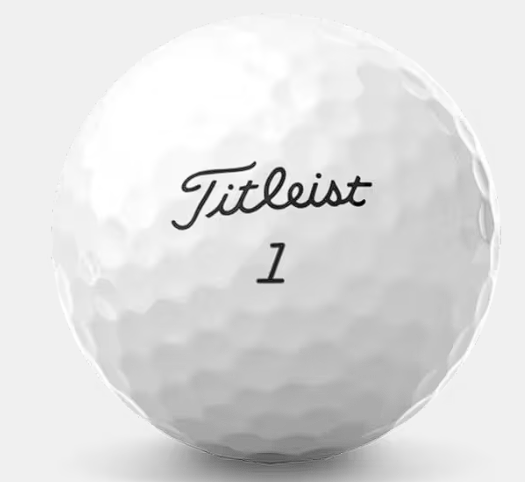
Titleist Pro V1x
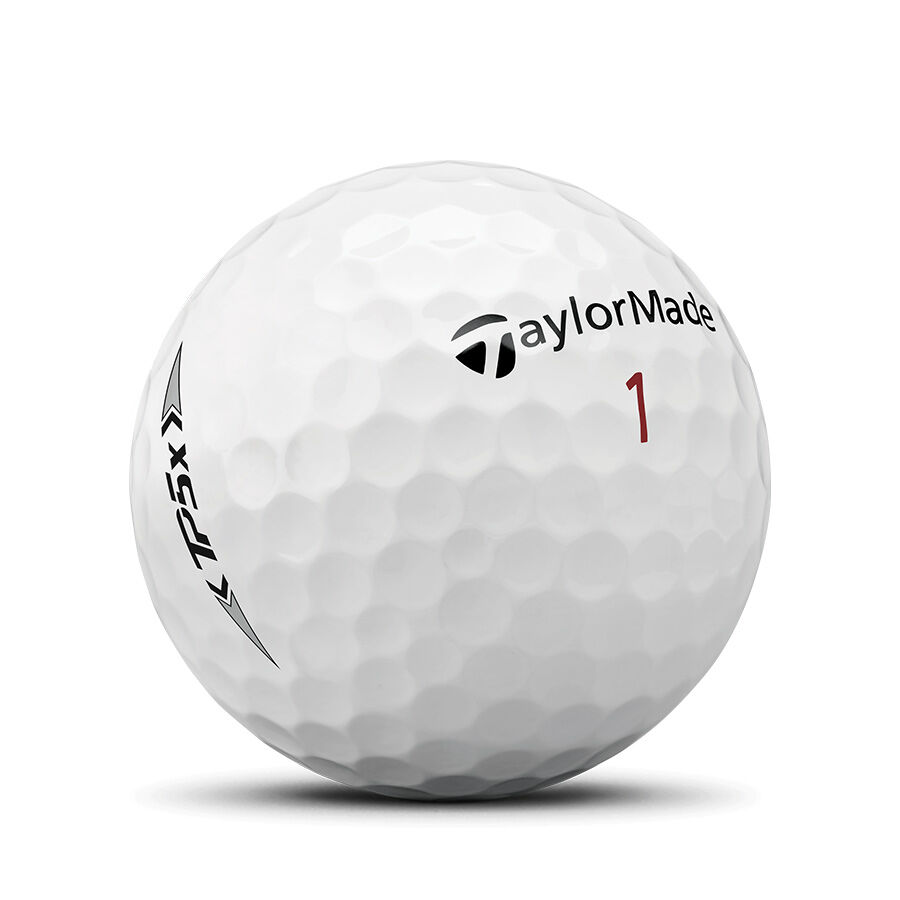
TaylorMade TP5x
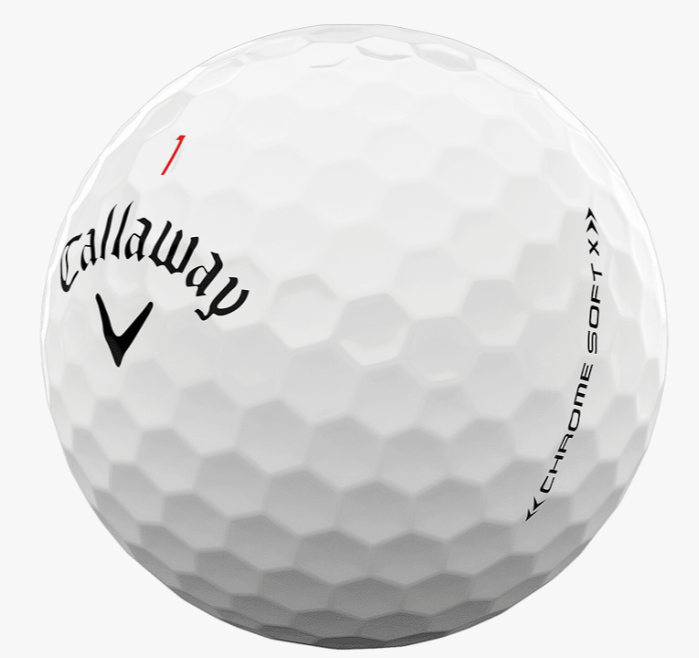
Callaway Chrome Soft X
The Short Game Wizard
- Your wedge and putter do the talking
- Go with high-spin, soft-cover balls for feel
Top Picks:
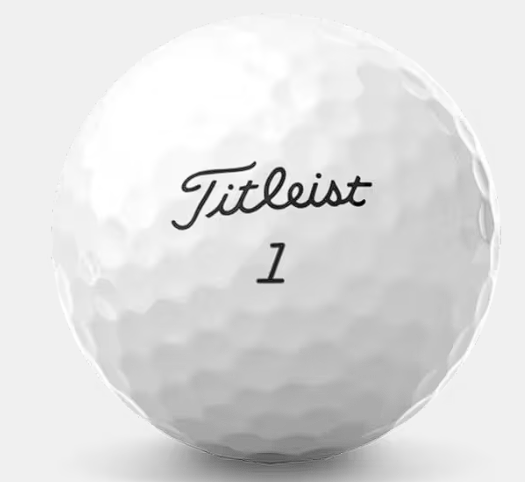
Titleist Pro V1
Srixon Z-Star
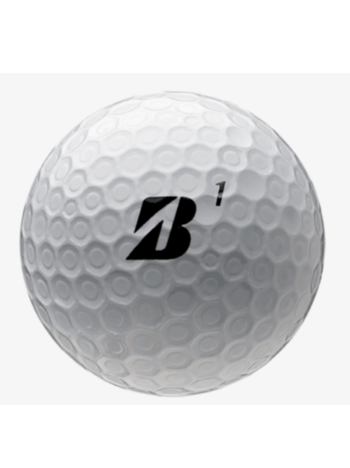
Bridgestone Tour B XS
The All-Around Player
- Balanced from tee to green
- Choose a 3-piece, mid-compression ball with mid-spin
Top Picks:
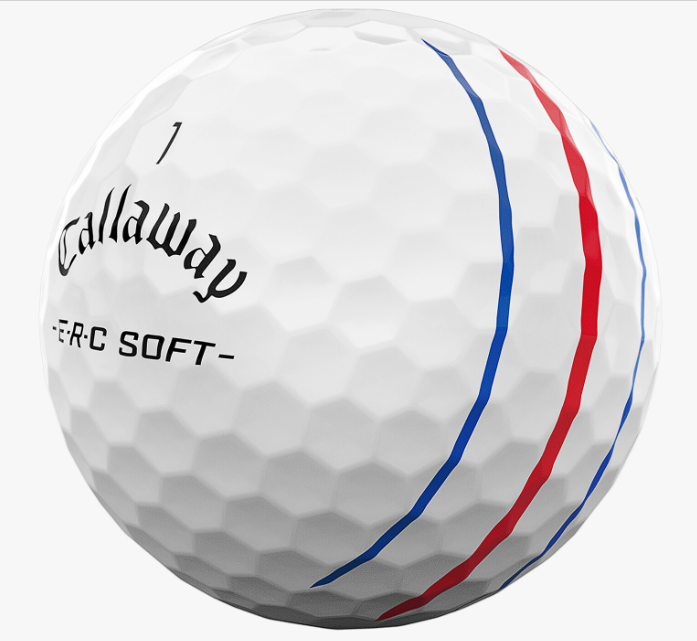
Callaway ERC Soft
TaylorMade Tour Response
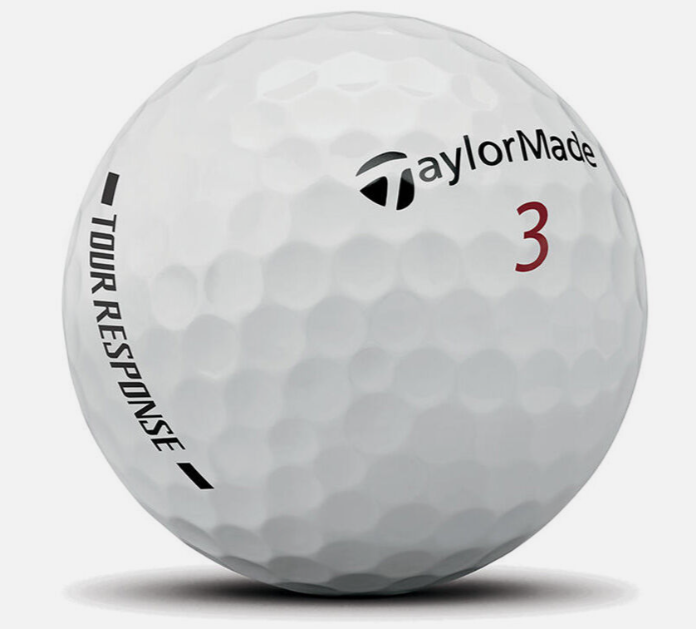
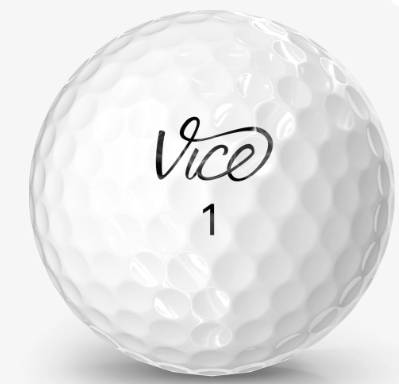
Vice Pro
The Budget-Conscious Weekend Warrior
- You play for fun (and maybe some bragging rights)
- Grab value balls that still deliver performance
Top Picks:
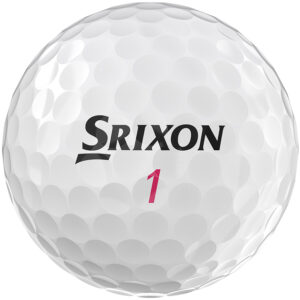
Srixon Soft Feel
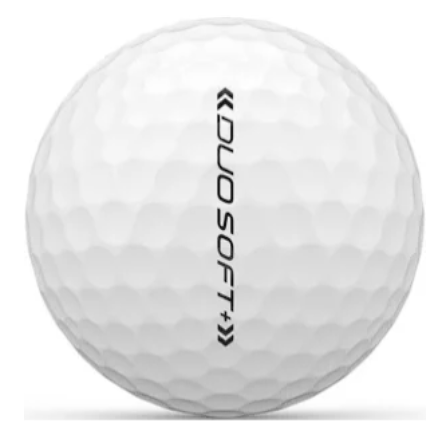
Wilson Duo Soft
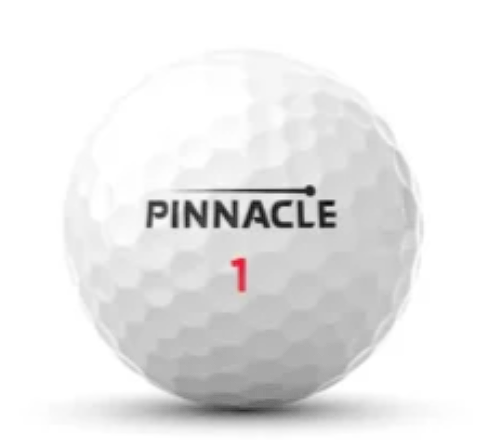
Pinnacle Rush
Weather Watch: How Conditions Affect Your Choice
- Cold Weather: Use lower compression balls—they stay soft and responsive
- Windy Conditions: Go for lower spin balls to keep your shots on line
- Wet Courses: Higher spin helps grip wet greens
Brand Highlights: What the Big Names Offer
Titleist
- Tour-level performance
- Known for Pro V1 and Pro V1x
- High price, unmatched consistency
Callaway
- Forgiving and tech-forward
- Chrome Soft line delivers great value
TaylorMade
- All about speed and control
- TP5/TP5x are top-tier
Bridgestone
- Tour-tested options
- Great variety by swing speed
Srixon
- Affordable and high-performing
- Ideal for value-conscious golfers
Golf Ball Myths—Busted
- Myth: All balls feel the same.
Truth: Feel varies wildly. A Pro V1 feels like butter, a range ball feels like a rock. - Myth: Expensive = Better.
Truth: Not always. The best ball is the one that matches your swing. - Myth: You need high spin to be good.
Truth: High spin is only helpful if you can control it.
How Many Balls Should You Carry?
Let’s be honest—you’re gonna lose a few. If you’re a high handicapper, pack at least a dozen. Better safe than sorry.
And if you’re a ball-hunting expert who can sniff out Pro V1s in the bushes? Well, maybe just six.
Try Before You Commit
- Buy sleeves instead of full boxes to test
- Many brands offer mix packs
- You can even get personalized balls once you find your go-to
Tips to Keep Your Golf Balls Performing Their Best
- Don’t leave them in the trunk—heat kills compression
- Clean them often—dirt affects spin and flight
- Rotate during rounds—don’t wear one ball down with 18 holes of abuse
Conclusion: Find Your Ball, Find Your Groove
Your swing is unique—your ball should be too.
From high-flyers to spin-meisters, every man’s game deserves the right ball to match his mojo. So ditch the “one size fits all” mentality, and choose based on your skill, your style, and your goals.
Because once you find the right ball? The game just feels better.
FAQs
- Do golf balls really make a difference for men?
Absolutely! The right ball improves distance, control, and overall consistency. - What’s the best golf ball for beginners?
Look for low-compression, low-spin balls like the Srixon Soft Feel or Wilson Duo Soft. - Can I use the same ball for all weather conditions?
Technically yes, but choosing based on weather (like softer balls in the cold) can improve performance. - Are expensive golf balls worth it?
Only if your skill level can take advantage of the added spin and control. Otherwise, mid-range balls work great. - How do I know when to replace a golf ball?
Scuffs, cuts, or major discoloration are signs it’s time for a new one.