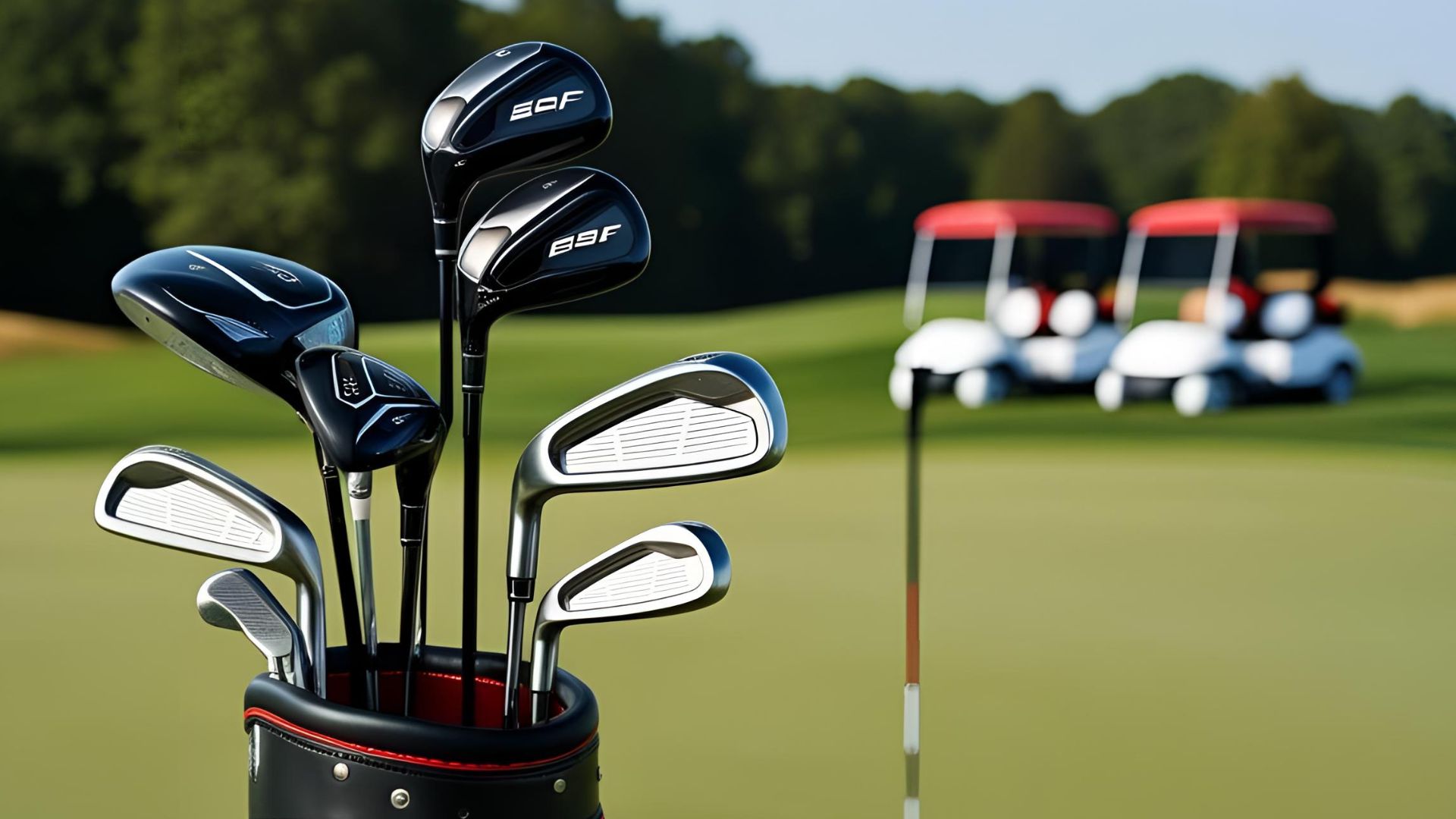
Golfers often spend most of their equipment budget on clubs, balls, and shoes. However, the smaller items inside your bag can also have a meaningful effect on your performance. The right Must-Have Golf Accessories can improve distance control, protect your equipment, reduce distractions, and help you make better decisions throughout a round. They will not replace a reliable swing, but they can create better conditions for consistent golf.
Not every popular accessory provides a genuine advantage. Some products look impressive but offer little practical value once you reach the course. Others solve common problems that quietly add strokes to your score. For example, a dependable rangefinder can improve club selection, while a clean towel can prevent dirt from affecting contact.
The best accessories support preparation, comfort, organization, and confidence. Therefore, golfers should choose items based on their actual needs rather than current trends. This guide explains which products deserve space in your golf bag and how each one can help you play better.
Why Golf Accessories Matter More Than You Think
Golf requires dozens of decisions during every round. You must judge distances, select clubs, read greens, manage weather, and maintain equipment. Small mistakes in any of these areas can quickly increase your score.
Useful accessories simplify those decisions. They give you reliable information, keep your clubs ready, and reduce avoidable discomfort. As a result, you can direct more attention toward your swing and course strategy.
Accessories also promote consistency. Using the same alignment tool, distance device, and pre-shot routine during practice and competitive rounds builds familiar habits. That familiarity can improve confidence under pressure.
However, carrying too much equipment creates another problem. A crowded bag becomes heavy, disorganized, and difficult to manage. Therefore, the goal is not to collect every available gadget. Instead, choose a practical selection that directly supports your game.
A Reliable Golf Rangefinder
A rangefinder is one of the most valuable Must-Have Golf Accessories for golfers who want to improve distance control. It provides precise yardages to flags, hazards, trees, and other targets.
Accurate information makes club selection easier. Rather than guessing whether a shot measures 140 or 155 yards, you can choose a club based on a reliable number. This reduces indecision and improves commitment before the swing.
Laser rangefinders provide direct measurements to visible targets. Meanwhile, GPS devices display distances to the front, middle, and back of greens. Some golfers prefer laser precision, while others value the broader course information provided by GPS technology.
Choose a device that is simple to operate and easy to read. Advanced features are helpful only when they do not slow down play. In addition, confirm whether slope-adjusted measurements are permitted during competitions you enter.
A Quality Golf Towel
A towel may seem basic, yet clean equipment plays an important role in reliable ball striking. Dirt, sand, and moisture can reduce friction between the clubface and golf ball. Consequently, shots may launch differently or produce less spin than expected.
Use one section of your towel for cleaning clubs and another for drying your hands. Some golfers carry two towels during wet conditions to keep these tasks separate.
Microfiber towels work especially well because they absorb moisture and remove dirt without adding much weight. A towel with a secure clip also stays accessible throughout the round.
Clean clubface grooves before important approach shots, especially after hitting from damp turf or bunkers. This simple habit takes only a few seconds, but it can improve contact and spin consistency.
A Club Groove Cleaning Brush
While a towel removes loose dirt, a groove brush handles compacted mud and sand. Clean grooves help the clubface interact properly with the ball, particularly on wedge shots.
Look for a brush with both soft and firm bristles. Softer bristles work well on woods and delicate finishes. Firmer bristles remove stubborn debris from iron and wedge grooves.
Retractable designs attach easily to a golf bag and remain available when needed. However, avoid applying excessive pressure that could damage the clubface.
A small bottle of water can make cleaning easier during dry rounds. Add a few drops to the grooves, brush gently, and wipe the club dry before playing your next shot.
Golf Gloves and a Dry Backup Pair
A secure connection between your hands and the club is essential for control. A quality glove improves grip while reducing the need to squeeze the club too tightly.
Excessive grip pressure creates tension in the hands, wrists, and forearms. Therefore, maintaining reliable traction can support a smoother swing.
Every golfer should carry at least one backup glove. Heat, rain, and perspiration can quickly make the primary glove uncomfortable or slippery. Rotating gloves during humid rounds also allows each one to dry.
Store spare gloves in a waterproof pouch instead of leaving them loose inside the bag. This protects them from unexpected rain and prevents unnecessary wear.
Rain gloves are another useful option. Unlike standard models, they provide increased traction when wet and are usually worn on both hands.
A Divot Repair Tool and Ball Marker
A divot repair tool belongs among the Must-Have Golf Accessories because it supports both performance and proper course care. Repairing pitch marks helps greens recover while creating smoother putting surfaces for every player.
Use the tool correctly by pushing the surrounding grass inward. Avoid lifting the center of the mark because this can damage the roots underneath.
A visible ball marker is equally important. It allows you to clean and align your golf ball without interfering with another player’s putting line.
Magnetic tools that combine a marker with a repair tool are convenient and easy to carry. However, any simple design will work when used consistently.
These items will not directly transform your swing. Still, they improve organization around the green and encourage responsible playing habits.
An Alignment Tool for Practice
Alignment errors cause many poor shots that golfers mistakenly blame on their swings. A player may strike the ball well while aiming several yards away from the intended target.
Alignment sticks provide immediate visual feedback during practice. Place one stick parallel to the target line and another across the stance if needed. This setup helps check foot, hip, shoulder, and clubface position.
You can also use alignment sticks for swing-path drills, ball-position checks, and putting practice. Their versatility makes them one of the most useful training aids available.
However, they are designed mainly for practice areas. Rules generally prevent golfers from placing alignment objects on the ground to assist a stroke during a competitive round.
Lightweight folding versions fit easily inside most golf bags. Traditional driveway markers can also work, although dedicated golf models often include protective caps.
A Golf GPS Watch
Golf GPS watches combine distance information with convenience. Instead of reaching for a separate device before every shot, golfers can check yardages directly from the wrist.
Most watches display distances to the front, middle, and back of the green. Many also identify hazards, measure shot length, and record basic statistics.
The middle distance is especially helpful when pin placement is unclear. Rather than targeting a difficult flag, golfers can select a club that reaches the safest section of the green.
Battery life, screen readability, and ease of navigation should guide your purchase. A watch loaded with complicated functions may become distracting if basic distances require several steps to find.
Golfers who dislike wearing watches may prefer a handheld GPS unit or smartphone application. The best choice is the one you can use quickly without interrupting your routine.
A Durable Golf Umbrella
Weather can change quickly, especially during long rounds. A large golf umbrella protects the player, equipment, and bag from rain.
Double-canopy designs allow wind to pass through vents, which reduces the risk of the umbrella turning inside out. A comfortable handle also matters because you may carry it for several holes.
During hot conditions, an umbrella can provide shade while waiting between shots. This helps reduce direct sun exposure and may improve comfort during slow rounds.
Attach the umbrella securely to your bag or cart. Loose umbrellas can create noise, become damaged, or interfere with club access.
Although an umbrella adds some weight, its protection makes it one of the most practical Must-Have Golf Accessories for unpredictable conditions.
A Waterproof Valuables Pouch
Golf bags offer storage, but many pockets are not fully waterproof. A compact valuables pouch protects phones, wallets, keys, gloves, scorecards, and electronic devices.
Choose a pouch with sealed seams and a dependable zipper. Transparent sections can help you locate items quickly, although opaque designs offer more privacy.
Keep only important belongings inside the pouch. Overfilling makes it harder to close properly and reduces organization.
Place the pouch in the same bag pocket before every round. This habit lowers the chance of losing valuable items or leaving them inside a golf cart.
A simple resealable plastic bag can work temporarily. However, a durable pouch provides better protection and lasts much longer.
A Reusable Water Bottle
Hydration affects concentration, energy, and physical coordination. Even mild dehydration can make a golfer feel tired or unfocused late in the round.
Carry a reusable insulated bottle that keeps water cool for several hours. A secure lid prevents leaks inside the golf bag.
Drink small amounts regularly rather than waiting until you feel thirsty. This approach supports steady hydration without causing discomfort.
During hot rounds, consider bringing an additional drink containing electrolytes. However, avoid beverages with excessive sugar because they may lead to an energy crash later.
A good hydration routine will not fix technical swing flaws. Still, it helps you maintain decision-making and physical performance through the closing holes.
Energy Snacks for the Back Nine
Golf rounds often last four hours or longer. Therefore, carrying simple snacks can help maintain energy and focus.
Choose foods that are easy to store and consume. Nuts, bananas, protein bars, dried fruit, and sandwiches are practical options.
Avoid relying only on candy or sugary drinks. They may provide a quick boost, but energy levels can fall soon afterward.
Plan when you will eat instead of waiting until fatigue begins. A small snack after six or nine holes can support steady performance.
Nutrition needs differ between players. Test different options during casual rounds and note which foods leave you feeling comfortable rather than heavy.
A Portable Phone Charger
Many golfers use smartphones for GPS distances, score tracking, swing videos, or emergency communication. These functions can drain the battery quickly.
A compact power bank prevents your phone from shutting down before the round ends. Choose a slim model with enough capacity for at least one full charge.
Keep the charging cable inside the same pouch to avoid searching through your bag. Additionally, protect both items from moisture.
Phone use should remain limited while others are preparing to play. The charger is helpful because it supports essential functions, not because it encourages distractions.
Courses in remote locations may offer limited charging options. Therefore, arriving with a fully charged phone and backup battery provides valuable security.
A Golf Club Identification System
Players sometimes leave wedges beside greens after putting. Unfortunately, these clubs are easy to forget, especially when the next tee is far away.
Club labels containing a name and contact number improve the chance of recovery. However, avoid including unnecessary personal information.
Bright headcovers or grip markings also make clubs easier to identify. This becomes useful when several golfers use similar equipment.
Another good habit is placing a wedge between the hole and your golf cart or bag. You will naturally walk past it after finishing the hole.
An identification system may not affect your score directly. Still, replacing a lost wedge can be expensive and disruptive.
A Compact First-Aid and Sun-Care Kit
A small personal-care kit deserves a place among the Must-Have Golf Accessories because comfort affects concentration. Include adhesive bandages, blister pads, sunscreen, insect repellent, and any necessary personal medication.
Apply sunscreen before the round and reapply it according to the product instructions. Golfers spend several hours exposed to direct sunlight, even on cloudy days.
Blisters can develop from walking, new shoes, or warm weather. Treating them early prevents minor irritation from becoming a painful distraction.
Keep the kit compact and organized. You do not need to carry a full medical bag, but a few basic supplies can solve common on-course problems.
Check expiration dates periodically and replace used products before your next round.
A Golf Ball Line Marker
Many golf balls include printed alignment marks, but some golfers prefer a longer or more visible line. A ball stencil helps create consistent markings for putting and tee shots.
The line can help aim the putter face toward the intended starting point. However, it will not read the green for you. You must still judge speed, slope, and break accurately.
Practice using the line before relying on it during important rounds. Some players feel more confident with a visible reference, while others find it distracting.
Use permanent ink designed to resist moisture. Allow it to dry completely before placing the ball inside your bag.
Rules permit golfers to mark their own ball, provided the markings do not alter its performance.
A Simple Golf Notebook
Digital tracking tools are popular, yet a small notebook remains surprisingly useful. It allows you to record club distances, swing thoughts, course strategies, and practice results.
Keep entries brief. Too much technical information can create confusion during a round.
Useful notes might include preferred targets, trouble areas, typical carry yardages, or reminders about successful routines. Over time, patterns may reveal where you lose the most strokes.
Review the notebook during practice or before playing a familiar course. Avoid reading detailed instructions before every shot because this can slow play and increase tension.
The purpose is to support clear decisions, not to overload your mind.
How to Choose Accessories That Fit Your Game
The best Must-Have Golf Accessories solve problems you regularly experience. Start by reviewing your recent rounds and identifying repeated frustrations.
Do you often misjudge distances? A rangefinder or GPS device may help. Do your hands become slippery? Carry additional gloves and a towel. Do you struggle with alignment? Use training sticks during practice.
Prioritize function over appearance. Stylish products can be enjoyable, but they should still provide a clear benefit.
Consider weight as well. Golfers who walk should avoid filling the bag with unnecessary tools. Every accessory should justify the space it occupies.
Finally, choose reliable products that are easy to use. Complicated equipment often remains untouched once the novelty disappears. Simple accessories usually create the greatest long-term value.
Accessories That May Not Improve Performance
Some golf products make bold promises without addressing the real cause of poor shots. Be cautious with accessories that claim to produce instant distance or permanently fix swing mechanics.
Training devices can help when they target a specific issue. However, using several gadgets without understanding your swing may create conflicting movements.
Decorative bag additions can also become distractions. Excessive tags, clips, speakers, and attachments add weight and noise without improving performance.
Before buying anything, ask how the product will support practice, decision-making, comfort, or equipment care. When the answer is unclear, leave it out of the bag.
Money saved on unnecessary accessories can instead support lessons, practice sessions, or a professional fitting.
Conclusion
The right accessories create a smoother, more organized golf experience. A dependable rangefinder improves distance decisions, while clean clubs support predictable contact. Gloves, towels, hydration supplies, and weather protection also help golfers remain comfortable and focused.
However, accessories should support your skills rather than replace them. No gadget can compensate for poor preparation, unrealistic course management, or a lack of practice. The greatest benefits come from choosing products that solve genuine problems in your game.
Build your collection of Must-Have Golf Accessories gradually. Begin with the items that address your biggest needs, then remove anything you rarely use. A well-organized bag should feel practical rather than crowded. With thoughtful preparation and dependable equipment, you can reduce distractions, make clearer decisions, and give yourself a better chance to score well.
FAQ
1. Which golf accessory provides the biggest performance benefit?
A rangefinder or GPS device often provides the greatest immediate benefit because accurate yardages improve club selection and shot commitment.
2. How many gloves should golfers carry?
Most golfers should carry at least two gloves. During hot or rainy conditions, carrying three allows each glove time to dry between uses.
3. Are expensive golf gadgets necessary for beginners?
No. Beginners benefit more from simple tools such as a towel, groove brush, alignment sticks, ball marker, and dependable glove.
4. Should golfers use a laser rangefinder or GPS watch?
Laser devices provide exact target measurements, while GPS watches offer quick distances to greens and hazards. Choose the format that best fits your routine.
5. How often should golf bag accessories be checked?
Review your bag before every round. Replace damaged gloves, recharge electronics, refill water, and remove items that add weight without providing value.